Sustainable Travel in Poland: Embracing Eco-Friendly Adventures and Authentic Experiences

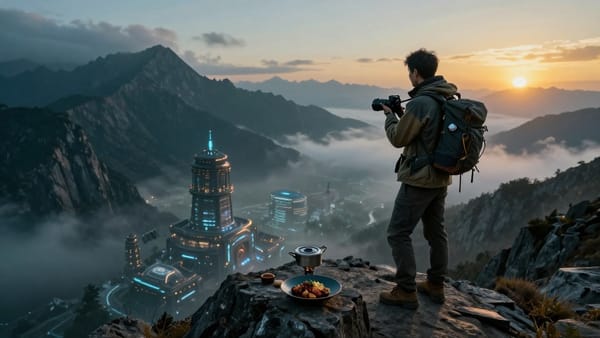
Cześć, adventurers! It's Anya, your totally biased (but in a good way!) Polish guide, back with a topic that's been brewing in my pierogi-loving heart: sustainable travel in Poland. Seriously, guys, it’s time to ditch the idea of Poland as just a cheap weekend getaway for boozy antics and start seeing it as the incredible, diverse, and culturally rich destination it truly is. I'm talking about swapping crowded city tours for mindful hikes, ditching mass-produced souvenirs for locally crafted treasures, and trading generic hotel chains for cozy, family-run guesthouses. We're not just tourists; we're temporary residents, and it's our job to treat this beautiful country with the respect it deserves. Think exploring the ancient forests of Białowieża, kayaking down the Krutynia River, or learning traditional pottery in a small village in the Beskids. Forget leaving only footprints; let's leave a positive impact. This isn’t just about being "green"; it’s about connecting with the real Poland, supporting its people, and preserving its beauty for generations to come. So, grab your backpack, your reusable water bottle, and your sense of adventure – because we're about to dive deep into the world of sustainable travel, Polish style! And trust me, it's gonna be epic. I promise, even better than finding the perfect meme.
The Rise of Eco-Conscious Tourism in Poland: More Than Just a Trend
Okay, let's be real: Poland might not be the first country that pops into your head when you think "eco-tourism paradise." But hold on a sec, because the winds of change are definitely blowing, and they're carrying a whole lot of green with them! There's a serious buzz building around responsible travel here, especially among us young'uns. We're not just about ticking off landmarks and racking up Instagram likes; we're craving authentic experiences that forge a real connection with the land and its people. This isn't just some fleeting fad; it's a fundamental shift in how we view travel, driven by a growing awareness of our impact on the planet and a deep-seated pride in Poland's incredible natural and cultural heritage. Honestly, it's about damn time we started appreciating what we have instead of trashing it and then complaining about the consequences. I'm all about the "leave no trace" movement, but let's take it a step further: let's leave a positive trace!
But why now? What's fueling this surge in eco-consciousness? Well, social media is a major player, no doubt. We're seeing more and more influencers (the legit ones, not the ones who just pose with plastic straws) showcasing sustainable practices and inspiring their followers to adopt a more responsible approach to travel. Plus, the constant barrage of news about climate change, pollution, and environmental degradation is finally sinking in. People are realizing that their travel choices have consequences, and they're actively seeking ways to minimize their footprint. It's not just a niche market anymore; it's becoming increasingly mainstream. And businesses are taking notice, because, let's face it, money talks. Hotels, tour operators, restaurants – they're all scrambling to adopt eco-friendly practices to attract this growing segment of conscious travelers. Responsible Travel reports a significant increase in demand for eco-certified accommodations and tours, indicating that consumers are actively seeking out sustainable options. This is awesome, but we need to hold these businesses accountable. Greenwashing is a real thing, and we can't let companies get away with pretending to be sustainable when they're really just trying to cash in on the trend. We need transparency, accountability, and genuine commitment to environmental and social responsibility. And honestly, I'm here for it.
Furthermore, the EU's focus on sustainable development and environmental protection is also playing a significant role. Poland, as an EU member, is subject to various environmental regulations and policies that promote sustainable practices across different sectors, including tourism. The EU's recent initiatives to promote green tourism are a great example. This creates a supportive framework for businesses to invest in sustainable infrastructure and practices, and it also helps to raise awareness among travelers about the importance of responsible tourism. For example, many regions in Poland are now implementing eco-labeling schemes for accommodations and attractions, making it easier for travelers to identify and choose sustainable options. I love seeing this because it proves that Poland is actually serious about a greener future.
Exploring Poland's Natural Wonders Responsibly: Beyond the Postcard Perfect Image
Poland is seriously, criminally underrated when it comes to natural beauty. Seriously, people, wake up! We've got it all: the stunning Baltic Sea coast in the north, the majestic Tatra Mountains in the south (perfect for snowboarding, just saying!), the serene Masurian Lake District in the northeast, and the ancient, primeval forests like Białowieża, a UNESCO World Heritage site and home to the iconic European bison (żubr in Polish, you know, to impress the locals!). According to UNESCO, Białowieża Forest is one of the last and largest remaining parts of the immense forest that once stretched across the European Plain. But with all this breathtaking beauty comes a hefty dose of responsibility. We can't just waltz in, snap some selfies, and leave a trail of trash and destruction behind us. That's just not cool, not acceptable, and frankly, just plain rude.
So, how can we explore these natural wonders responsibly? First and foremost: support local businesses! Ditch the soulless international chain hotels and opt for guesthouses, agrotourism farms, or family-run B&Bs. You'll not only get a more authentic and immersive experience, but your money will directly benefit the local community, helping to sustain their livelihoods and preserve their cultural heritage. Secondly, minimize your environmental impact. Embrace public transport (Poland's train system is surprisingly decent, and buses can get you pretty much anywhere), cycle, or lace up your hiking boots and explore on foot. Pack out ALL your trash (duh!), be mindful of your water consumption (especially in areas prone to drought), and avoid using single-use plastics whenever possible. And for the love of all that is holy, stick to marked trails! Wandering off-piste can damage fragile ecosystems, disturb wildlife, and even put you in danger. Think of it this way: would you want some random tourist stomping all over your garden? No? Then don't do it to nature. It's really not that complicated, people.
Moreover, consider participating in conservation efforts. Many national parks and environmental organizations offer volunteer opportunities, such as tree planting, trail maintenance, and wildlife monitoring. This is a fantastic way to give back to the environment and learn more about the local ecosystem. For example, the WWF Poland runs various conservation projects across the country, focusing on protecting endangered species and habitats. By getting involved in these initiatives, you can make a tangible difference and contribute to the long-term preservation of Poland's natural heritage. It's about more than just admiring the scenery; it's about actively participating in its protection. And let's be real, nothing feels better than knowing you've made a positive impact. It's way more rewarding than any Instagram like, trust me. Plus, you get major karma points.
Sustainable Food Experiences: A Culinary Journey Through Poland's Flavors
Alright, let's get to the good stuff: food! Polish cuisine is hearty, comforting, and often surprisingly sustainable. Think locally sourced ingredients, traditional recipes passed down through generations, and a focus on seasonal produce. Forget the generic fast-food chains and tourist-trap restaurants serving up bland, overpriced versions of "Polish" food; we're going on a culinary adventure that will tantalize your taste buds and nourish your soul. This isn't just about eating; it's about experiencing the culture, connecting with the land, and supporting local farmers and producers. And trust me, Polish food is way more than just pierogi (although, let's be honest, pierogi are pretty amazing).
One of my absolute favorite things to do is visit local markets. Seriously, these are treasure troves of deliciousness! You can find fresh produce, artisanal cheeses, cured meats, homemade jams, and other goodies directly from the farmers and producers. It's a fantastic way to support local agriculture, reduce your carbon footprint (by cutting out the middleman and the transportation costs), and discover unique regional specialties that you won't find anywhere else. Pierogi, anyone? (Seriously, if you haven't tried pierogi, you haven't lived. And if you think all pierogi are the same, you're sorely mistaken. There's a whole universe of pierogi fillings out there, waiting to be explored!) Also, look for restaurants that prioritize sustainable practices. Many restaurants are now sourcing their ingredients locally, reducing food waste through composting and creative menu planning, and using eco-friendly packaging. The key is to do your research and choose wisely. Look for certifications like the EkoGwarancja, which indicates that a restaurant or producer adheres to organic farming standards. It’s a win-win: you get to enjoy delicious, authentic food while supporting sustainable businesses and contributing to a healthier planet. And honestly, the food just tastes better when you know it’s been produced ethically and responsibly. It's like a little party in your mouth, with a side of good karma.
Don't be afraid to try some lesser-known Polish dishes. Venture beyond pierogi and kielbasa and explore the diverse regional cuisines. For example, in the Podlasie region, try kartacze (potato dumplings filled with meat) or babka ziemniaczana (potato cake). In the mountains, sample oscypek (smoked sheep cheese) and kwaśnica (sauerkraut soup with smoked meat). And in the coastal regions, indulge in fresh seafood and fish dishes. The possibilities are endless! And remember, food is more than just sustenance; it's a way to connect with the culture and history of a place. By choosing sustainable food experiences, you're not just eating; you're learning, exploring, and contributing to a more sustainable future for Poland. And that's something to be proud of.
The Future of Sustainable Tourism in Poland: A Call to Action
So, what does the future hold for sustainable tourism in Poland? I'm cautiously optimistic, but there's still a mountain of work to be done. We need to ramp up education and awareness about the importance of responsible travel, not just among tourists, but also among local communities and businesses. We need to create more incentives for businesses to adopt sustainable practices, such as tax breaks, subsidies, and access to funding. And we need more tourists who are willing to make conscious choices about where they go, what they do, and how they impact the environment. It's a multi-faceted challenge that requires a collaborative effort from all stakeholders. This isn't just about saving the planet; it's about creating a more equitable, resilient, and vibrant future for Poland. I'm talking economic development, social justice, and environmental protection all rolled into one delicious pierogi of sustainability.
The good news is that things are slowly but surely moving in the right direction. The Polish government is starting to invest in sustainable tourism initiatives, such as promoting eco-tourism in national parks and supporting the development of sustainable accommodations. More and more businesses are embracing eco-friendly practices, driven by consumer demand and a growing awareness of the benefits of sustainability. And more and more travelers are demanding authentic and responsible experiences, rejecting mass tourism and seeking out meaningful connections with local communities and cultures. But we can't afford to get complacent. We need to keep pushing for change, keep supporting sustainable businesses, keep spreading the word, and keep holding ourselves and others accountable. Because at the end of the day, it's up to all of us to protect Poland's natural beauty and cultural heritage for future generations. This isn't just about us; it's about our children, our grandchildren, and all the future travelers who will have the opportunity to experience the magic of Poland. As reported by the Polish Tourism Organisation, sustainable tourism is a growing priority, with increasing efforts to promote eco-friendly travel options and preserve natural resources. And that's something worth fighting for, don't you think? It's not just a trend; it's a responsibility. Let's make Poland a shining example of sustainable tourism, a place where visitors can experience the beauty and culture of the country while leaving a positive impact on the environment and the local communities. Let's show the world that Poland is more than just vodka and pierogi; it's a land of incredible beauty, rich culture, and a people who are committed to creating a more sustainable future. So, what are you waiting for? Let's get out there and explore Poland responsibly! And don't forget to send me a postcard. Or better yet, a pierogi! Na zdrowie!