Strategic Shifts in 2026: Navigating Economic Resilience, Tech Integration, and Global Security


As the global economy transitions into a new calendar year, the intersection of technological advancement and logistical resilience has become the primary focus for policymakers and business leaders alike. The start of 2026 is defined not by a single breakthrough, but by the convergence of several high-stakes realities: the digital transformation of judicial systems, the hardening of physical infrastructure against extreme weather, and the evolving complexities of international security. Efficiency is no longer merely a corporate goal; it is a survival mandate in the face of environmental and geopolitical volatility. This report analyzes the critical trends shaping the months ahead, grounded in the latest developments across the tech, business, and public safety sectors. In a landscape where "bomb cyclones" can freeze regional commerce in hours and decentralized AI can rewrite the rules of judicial transparency, the ability to synthesize these disparate threats and opportunities is the hallmark of leadership. We explore how these shifts are manifesting in real-time and what the strategic map looks like for the remainder of the year.
What We Know: The Current State of Affairs
- Severe Weather Disruptions: A massive "bomb cyclone" and winter storm systems are currently impacting the Great Lakes and Northeast regions, complicating travel, energy distribution, and maritime logistics.
- Cybersecurity and Infrastructure: Federal resources are being redirected to investigate large-scale fraud within domestic programs, while local governments are accelerating digital court upgrades to clear backlogs.
- Small Business Outlook: Entrepreneurs are navigating a "middle-squeeze" characterized by rising labor costs, high interest rates, and the urgent need for rapid tech adoption to maintain margins.
- Geopolitical Flashpoints: Ongoing conflict dynamics in the Middle East and the Arabian Peninsula continue to influence global safety narratives and the cost of international insurance for shipping.
- Technological Maturity: The tech sector is moving from a phase of "hype" surrounding generative tools to a phase of "utility," where legacy systems are being phased out in favor of integrated, design-centric solutions.
Infrastructure and Law: Digital Evolution in Public Systems
The modernization of public institutions has reached a tipping point where efficiency is no longer a luxury but a mandate for maintaining public trust. As caseloads swell and the complexity of digital evidence grows, traditional paper-based or siloed electronic systems are failing. According to St. Louis Public Radio, judges are increasingly leaning into court technology upgrades to streamline judicial proceedings and ensure transparency. This move toward digital-first courtrooms is about more than just speed; it is about equity. By automating scheduling and providing remote access to proceedings, judicial systems are reducing the "friction of justice" that often penalizes those without the resources to take full days off work for administrative hearings.
This shift at the local level is mirrored by a surge in federal investigative intensity. As digital systems become more complex, so do the methods used to exploit them. For instance, NBC News reports that the FBI has surged resources to address sophisticated daycare fraud claims, highlighting the government’s focus on protecting domestic programs from systemic exploitation. This surge suggests that federal agencies are no longer looking at fraud as isolated incidents but as high-tech, organized operations that require a data-centric response. The integration of advanced investigative resources—such as AI-driven pattern recognition and cross-agency data sharing—is becoming the new standard for domestic security.
However, digital progress is often met with the sobering reality of technical debt. Many institutions are attempting to build 21st-century solutions on top of 20th-century foundations. Reflecting on the past year, EnergyNow offers reflections on IT developments that suggest 2026 will be a year of refinement rather than just expansion. The analysis argues that the "move fast and break things" era has left critical infrastructure—especially in the energy and legal sectors—vulnerable to both cyberattacks and systemic failures. As systems become more interconnected, the vulnerability of critical infrastructure becomes more apparent. This necessitates a "security-by-design" approach where cybersecurity is not an afterthought but the primary architecture of every new public contract. The focus in 2026 is shifting toward resilience—ensuring that if a system is compromised, it can fail gracefully and recover quickly without disrupting civil order or public safety.
Why this matters for the broader economy: The efficiency of the judicial and regulatory system is a direct input into national productivity. When courts are backed up or fraud goes unchecked, it increases the "risk premium" for doing business. If 2026 is successful in these digital transitions, we expect to see a stabilization of administrative costs and a boost in public confidence in institutional integrity. Stakeholders, from corporate lawyers to social service providers, must adapt to these digital portals or risk being left out of the evolving legal landscape.
Global Safety and Environmental Impact: The Climate-Security Nexus
In 2026, the concept of "safety" has expanded beyond traditional policing to include the immediate threats posed by a more volatile climate. Safety remains a paramount concern as both natural disasters and human conflict stress global systems simultaneously. Currently, the United States is grappling with extreme weather events that threaten to stall regional economies and disrupt the "just-in-time" delivery models that modern retail relies upon. As reported by CBS News, a powerful "bomb cyclone" and winter storm are impacting the Great Lakes and Northeast, necessitating emergency response measures on a massive scale. These events are no longer "once-in-a-century" anomalies; they are seasonal expectations that demand a total rethink of how we build and protect infrastructure.
The economic impact of these storms extends far beyond the immediate damage. When a bomb cyclone shuts down a major maritime or rail artery in the Great Lakes, the ripples are felt in global supply chains. Factories in the Midwest may face parts shortages, and energy providers must navigate the spike in heating demand while physical assets are literally frozen. This underscores the growing necessity for climate-resilient infrastructure. In 2026, the discussion is shifting from "how do we prevent climate change?" to "how do we survive its immediate effects?" This involves massive investments in microgrids, hardened telecommunications, and redundant logistics routes that can bypass weather-stricken zones.
On the international stage, regional instabilities continue to pose acute risks to human safety and global logistics, often in ways that intersect with environmental challenges. Recent reports from The Associated Press highlight the persistent dangers in conflict zones, such as the discoveries involving weapons and bombings in the Arabian Peninsula. These geopolitical tensions often dictate the flow of energy and goods, influencing market stability far beyond their immediate borders. When a shipping lane in the Red Sea or the Gulf of Aden is threatened, the cost of insurance for a container ship can triple overnight, a cost that is eventually passed down to the consumer at the grocery store or the gas pump.
The synthesis of environmental and geopolitical risk is the defining challenge for 2026. For example, a storm that disrupts oil refining capacity in the U.S. Gulf Coast combined with a security flare-up in the Middle East can create a "perfect storm" for energy prices. Analysts are now looking at "confluence risks"—the probability of two unrelated disasters happening at the same time. To mitigate this, global powers are increasingly looking toward "near-shoring" (moving production closer to home) and "friend-shoring" (moving production to politically stable allies) to decrease the distance and the number of flashpoints that goods must travel through. This shift is fundamentally reordering the map of global trade, favoring regional clusters over globalized networks.
The Small Business Landscape: Adaptation Amidst Economic Friction
The entrepreneurial sector is entering 2026 with a mixture of hardened optimism and strategic caution. After years of navigating post-pandemic volatility, small businesses have become leaner, but they are reaching the limits of traditional cost-cutting. Small businesses are increasingly looking toward niche markets and mobile services to reduce the burden of fixed real estate costs, which have remained stubbornly high. A prime example of this is seen in the expansion of Byway Coffee Co., which illustrates a broader trend toward mobile-first business models. By utilizing a mobile footprint, these businesses can follow the demand, moving from business districts during the week to community events on weekends, effectively mitigating the risk of a single "dead" location.
While some are finding success through agility, the macro environment remains hostile for many. Data from The National Desk suggests that economic pressures and labor shortages will be the biggest challenges for small business owners in the coming year. The "labor crunch" is no longer just about finding warm bodies; it is about finding workers with the technical skills to operate in a more digital-centric economy. Small business owners are finding that they must compete with larger corporations not just on wages, but on technology and flexibility. This is leading to a massive adoption of AI tools for administrative tasks—such as automated scheduling, AI-driven marketing, and inventory management—as a way to augment a smaller human workforce.
Strategic discussions around the future of retail further emphasize this point. According to RetailWire, the survival of small businesses in 2026 will depend on their ability to integrate digital tools without losing the personal touch that defines their brand. The "high-tech, high-touch" model is the winning formula. Consumers are increasingly weary of nameless, faceless corporate entities and are seeking out authentic experiences. However, they still expect the convenience of digital payments, seamless online ordering, and real-time communication. For those looking to start anew, Times Bull suggests that identifying recession-resistant business ideas—such as repair services, essential goods, and specialized digital consulting—at the year's start will be key to earning sustainable profits.
The analysis for 2026 suggests a "K-shaped" recovery for small businesses. Those that can leverage data to understand their customers and pivot their operations quickly will thrive. Those that are tethered to legacy models—high overhead, manual processes, and broad, non-specific offerings—will likely face consolidation or closure. We also expect to see a surge in "micro-franchising" and "co-op" models, where small businesses band together to share the costs of technology and insurance, creating a collective shield against economic headwinds. The government’s role in this will be crucial; programs like the SBA will need to shift from simple lending to providing "digital transition grants" to ensure the backbone of the economy can keep pace with technological change.
Technology Trends: The Era of Meaningful Integration
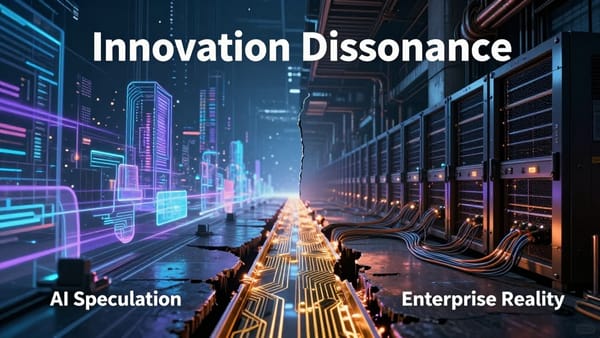
The technology sector in 2026 is characterized by a rapid cycle of birth and sunset, marking the end of the "hype-bubble" and the beginning of the "utility era." Projects that focused on speculation are being starved of capital, while technologies that solve tangible problems in logistics, energy, and human connection are seeing a resurgence. There is a distinct focus on aesthetics and functional innovation; the market is no longer satisfied with software that works—it must be intuitive and seamlessly integrated into the physical world. Looking back at the recent past, Wallpaper* highlights top innovations that blended design with utility, setting the stage for 2026’s product cycles. We are seeing a move away from "screen-heavy" designs toward ambient computing and voice-integrated systems that allow users to interact with technology without being tethered to a device.
Simultaneously, the industry is shedding legacy systems that no longer serve efficient operations. CNET provides a retrospective on the technology lost over the previous year, noting that obsolescence is a necessary precursor to progress. This "creative destruction" is vital. In 2026, we are seeing the final sunset of many localized data centers as companies move toward decentralized, "edge" computing. This shift reduces latency and increases security, as data is processed closer to where it is needed rather than in a central hub that serves as a high-value target for hackers. The overarching narrative of tech in 2026 is one of "meaningful integration," where the digital and physical worlds finally stop competing and start collaborating.
Per The Daily Star, the trends that defined the previous year—such as decentralized AI and enhanced connectivity—are now becoming the baseline for new startups. This digital maturity is even impacting sectors like tourism, which were historically slow to adopt new tech. For example, Zee News India reports a tourism boom in regions like Gulmarg, where the combination of natural beauty and digital accessibility has led to fully booked hotels. Travelers now expect high-speed internet even in remote mountain retreats, using augmented reality (AR) apps to navigate trails and AI concierge services to manage their itineraries. This "connected wilderness" trend is a microcosm of the 2026 tech landscape: the demand for nature and "real" experiences is higher than ever, but it must be supported by a sophisticated digital backbone.
The future of AI in 2026 is moving toward "Agentic AI"—systems that don't just answer questions but take actions on behalf of the user. Imagine an AI that doesn't just tell you a storm is coming but automatically reroutes your shipments, notifies your customers, and adjusts your energy usage to save costs. This level of autonomy requires a high degree of trust and rigorous regulatory oversight, which will be a major debate in legislatures throughout the year. The question is no longer "what can AI do?" but "what should we allow AI to do?" The balance between automation and human oversight will be the primary ethical and operational challenge for tech leaders in the coming eighteen months.
What We Don’t Know Yet
- Long-term Monetary Policy: While businesses are planning for 2026 based on current trends, the specific direction of interest rates and inflation remains a volatile variable. If inflation proves "sticky" due to supply chain disruptions from winter storms, the expected rate cuts in mid-year may not materialize.
- Conflict Resolution: The timeline for de-escalation in Middle Eastern conflict zones remains uncertain. A sudden peace agreement or a sudden escalation could equally disrupt global energy markets, making long-term fuel hedging difficult for logistics firms.
- Climate Resilience Efficacy: It is unclear if the current billion-dollar infrastructure upgrades in the Northeast will be sufficient to handle the intensifying seasonal "bomb cyclones." We are essentially in a race between our engineering capabilities and the accelerating curve of extreme weather events.
- AI Regulation Scenarios: Will 2026 see the first major "AI Liability Act" that clarifies who is responsible when an autonomous system makes a costly error? The legal framework is currently chasing a technology that is moving at ten times its speed.
Why It Matters: The Bottom Line for Stakeholders
The convergence of these themes—security, weather, and business resilience—affects everything from the price of a cup of coffee to the stability of national judicial systems. For the average consumer, this means potential disruptions in supply chains and a "reliability tax" on goods and services as companies pass on the costs of hardening their operations. However, it also means a more transparent and efficient public sector as digital courtrooms and investigative tools reduce corruption and administrative waste. For the investor, 2026 highlights the importance of "technological agility" and "geographical diversification." Betting on a single region or a single technology is no longer a viable strategy; the winners will be those with the most redundant and adaptable systems.
In an era where "bomb cyclones" can freeze a city and "tech upgrades" can unblock a legal system, the ability to adapt to rapid changes is the most valuable commodity in 2026. This year is about the transition from "fragile efficiency" to "robust resilience." We are moving away from the "just-in-time" philosophy that dominated the last thirty years toward a "just-in-case" mindset. While this may lead to slightly higher costs in the short term, the goal is to create a more stable global economy that can withstand the shocks of the 21st century without collapsing. The human element remains the most critical factor—technology and infrastructure are only as good as the people who manage them and the policies that govern them.
What’s Next
In the coming weeks, the immediate focus will shift toward the fourth-quarter economic reports of 2025, which will provide a clearer picture of whether small businesses are navigating the labor crunch successfully or if we are heading toward a period of consolidation. Meteorological services will continue to monitor the current winter systems, with particular attention to the "secondary surge" of cold air expected later this month. These weather patterns will be a litmus test for the new power grid enhancements implemented over the summer.
On the tech front, analysts are preparing for the major spring product launches, where we expect to see the first mass-market "Agentic AI" devices that prioritize user privacy and offline processing. These launches will likely move the needle on consumer electronics, which have seen a slump in recent years. In the policy arena, decisions regarding federal fraud investigations and judicial technology funding will reach critical milestones by the end of the quarter. Watch for new legislative proposals aimed at standardizing digital court records across state lines—a move that could revolutionize the legal profession. As the year unfolds, the "Breaking Wire" team will remain focused on these critical intersections, providing real-time updates as facts emerge and the strategic map of 2026 continues to take shape.