Living for the Moment: Why 2026 is the Ultimate Year for Adventure, Intentional Travel, and Cultural Shifts

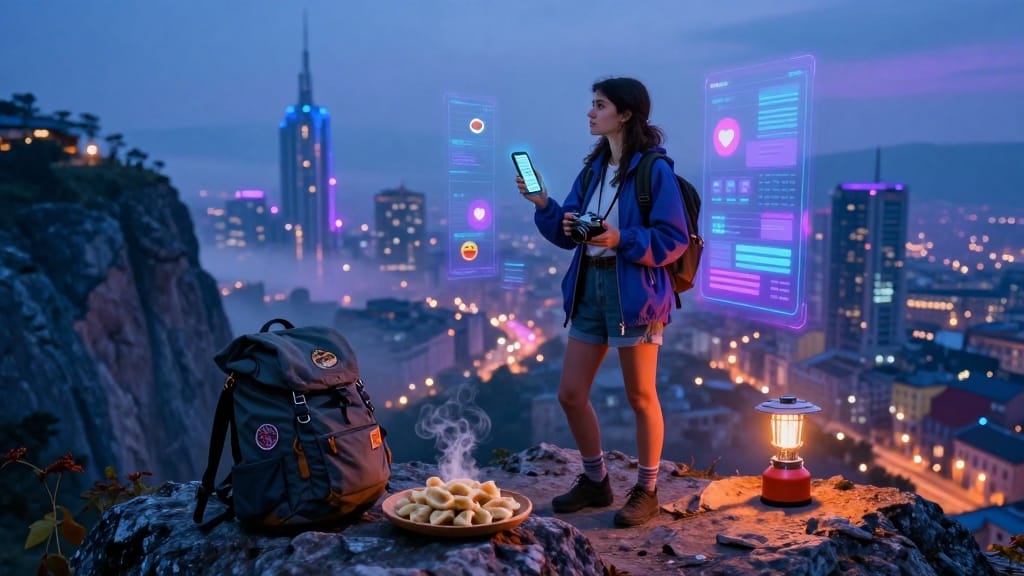
Hey guys, Anya here! If you’re anything like me, you’re constantly tab-switching between flight deals, Steam, and Reddit threads about the best pierogi spots in Kraków. Being 19 and living in Poland right now feels like being at the center of a chaotic but beautiful storm. We’re dealing with massive political shifts, a changing climate, and the constant itch to see the world before it gets even weirder. 2026 is looking like a total "boss level" for travelers and lifestyle enthusiasts alike, but it’s not just about pretty photos for the 'gram—it’s about how we navigate a world that’s becoming increasingly complicated yet accessible. This isn't just another year on the calendar; it's a turning point where my generation is deciding that we aren't waiting for "someday" to live our lives. We’ve seen how quickly borders can close and how fast the world can change, and 2026 feels like the year we collectively reclaim our sense of wonder without losing our grip on reality.
From the rugged mountains of Bhutan to the high-stakes world of global travel bans and even the way we spell "cześć" in Polish, the landscape is shifting in ways that are both thrilling and a bit terrifying. It’s about more than just a vacation; it’s about choosing a lifestyle that values authenticity over aesthetic, and experiences over just surviving the 9-to-5 grind. Living in Central Europe, I’ve got this front-row seat to the collision of East and West, tradition and tech. We're seeing a massive transition where the "old ways" of tourism—massive cruise ships and crowded landmarks—are being replaced by intentional, slow, and deeply personal journeys. So, let’s dive into what’s actually happening across the globe, why the "vibe check" for 2026 is so high, and why you need to start planning your moves right now before the FOMO actually kills you.
The Great Escape: Hacking Your Way to Adventure in 2026
We’ve all seen the memes about having zero PTO (Paid Time Off) left by February, right? It’s basically the adult version of running out of mana in a boss fight. But seriously, if you want to see the world without going broke or getting fired, you have to be smart. Everyone is talking about 2026 as a major year for "travel hacking." Whether it's finding those credit card travel deals that won't last forever reported by CNBC or literally "gaming" the calendar, the goal is the same: maximum vibe for minimum effort. As noted by the Washington Post, there’s a legitimate PTO hack to maximize your time off in 2026, allowing you to stretch a few days of leave into weeks of adventure using public holidays. For someone like me who wants to spend weeks lost in a forest with a camera, this is literally a gift from the gods.
But why does this matter so much now? Because the "traditional" ways of traveling are becoming prohibitively expensive for my generation. We aren't looking for five-star hotels; we're looking for points redemptions and error fares. The strategy in 2026 involves a deep understanding of the "loyalty economy." It’s about leveraging every Euro or Złoty spent to get that next flight to Tokyo or Bogotá. This shift indicates a broader cultural move toward "intentional flexibility." We aren't just taking vacations; we're designing seasons of life around travel. This impacts stakeholders like airlines and hotels who are having to pivot from catering to corporate boomers to targeting Gen Z and Millennial "digital nomads" who care more about high-speed Wi-Fi and authentic food than a marble lobby.
However, it's not all sunshine and low-cost flights. The logistics of travel are getting intense and, honestly, a bit sketchy at times. We’re seeing travel alerts for millions across the country as reported by Yahoo News, which reminds us that safety and awareness are key. From climate-driven flight disruptions to shifting diplomatic ties, being a "citizen of the world" requires more homework than it used to. Plus, the geopolitical scene is making things… interesting. According to the Times of India, a US travel ban on 39 countries has recently come into effect, which is a huge deal for global mobility. It reminds me that as Europeans, especially with our EU passports (shoutout to that blue flag!), we’re incredibly lucky to have the freedom we do. But we can never take it for granted. These bans don't just stop tourists; they disconnect families, shatter business plans, and remind us that the "borderless world" we were promised is still very much a work in progress. This friction is why 2026 is the year of the "informed traveler"—the person who checks the news as often as they check Instagram.
Bucket Lists and Beyond: Where the Adventure Lives
If you're tired of the same three cities on your feed—looking at you, crowded streets of Paris and Venice—2026 has some wild alternatives. I’m personally obsessed with the idea of more sustainable and regulated adventure. For instance, Oman has launched comprehensive adventure tourism guidelines to boost safety and sustainability, according to Travel and Tour World. This is a game-changer. As a photography nerd, the thought of capturing the stark contrast of Omani deserts and wadis without the clutter of "tourist traps" is a dream. It shows a future where destinations prioritize the longevity of their natural beauty over quick cash from mass tourism.
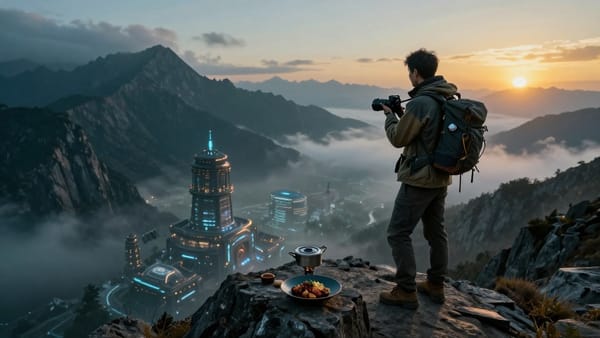
For those looking for the ultimate "get away from it all" vibe, News18 highlights a 2026 bucket list ranging from Patagonia to Bhutan. Bhutan, in particular, is a fascinating case study. They have a "High Value, Low Volume" tourism policy, which means you pay a daily fee just to be there, but that money goes into their carbon-neutral economy. It’s the ultimate "flex" for a traveler: being somewhere exclusive because you actually care about the planet, not just because you’re rich. The lighting in the Himalayas? Absolute perfection for my portfolio. This shift toward "Adventure with a Soul" is what 2026 is all about. We’re moving away from consumption and toward connection.
Closer to home, North America is stepping up its game, and I'm low-key planning a road trip there. Travel and Tour World provides a guide for global explorers seeking culture and relaxation in North America and the Caribbean, while also offering insider tips for exploring Canada in 2026. The appeal of Canada is its raw, untamed nature—places like Banff or the remote edges of Newfoundland. It's the perfect antidote to European urban density. And if you’re a city person, New York City remains a top-tier destination alongside Miami and LA, according to the same publication. There's also a massive shift in how we travel—CNN reports that 2026 will be the year of planes, trains, and new places to go, emphasizing that the journey is often as cool as the destination. Think sleeper trains across Europe or high-speed rail that finally makes flying feel like a chore. This isn't just about speed; it's about the romance of the rails and reducing our carbon footprint while we hunt for the perfect sunset shot.
Poland in the Spotlight: Tradition Meets Transformation
Okay, I have to talk about home for a second because Poland is having a major moment. Living here, you can feel the energy—it’s like the country is leveling up in real-time. We’re no longer just the "hidden gem" of Europe; we’re becoming a central player. Prime Minister Donald Tusk is making moves on the global stage, advising the European Union to be like Poland: energetic, brave, and safe, as reported by UNN. This makes me so proud. For a long time, Poland felt like it was trying to "catch up" to Western Europe, but now, with our tech scene booming and our stance on security firmly established, it feels like the roles are reversing. Especially with our unwavering support for Ukraine—it’s not just politics; it’s personal. Almost everyone I know has helped out in some way, and that has changed our national DNA into something even more empathetic and resilient.
We’re also keeping things human, which is something the world needs more of. Swissinfo reports that Poland is ready to welcome injured people from Switzerland (following a major accident), showing our humanitarian side and our sophisticated medical infrastructure. It’s a reminder that being "safe" isn't just about borders; it's about how you treat people in crisis. This spirit of openness is what makes traveling through Poland today so vibrant—you’ll find traditional pierogarnias sitting right next to vegan ramen shops and co-working spaces filled with developers from all over the world.
Domestically, we’re even changing our language, which is wild for a history nerd like me. Notes from Poland reports that Poland is introducing the biggest changes to spelling in almost a century. This is huge! It’s about simplifying and modernizing the way we write, making it more intuitive for the digital age. As someone who writes all the time, this feels like the language is finally catching up with how we actually live and communicate online. Our economy is evolving too; according to Poultry World, Poland's poultry industry is at a "turn of the tides," which might sound niche, but it's a massive part of our agricultural identity and our export power in Europe. We’re moving toward higher quality and more sustainable practices. And for our neighbors, Poland has extended simplified travel documents for Belarusian citizens, as per Travel and Tour World. This is a crucial move for regional stability and human rights, ensuring that those seeking freedom can find it. It makes me realize that my country isn't just a place on a map; it's a beacon for a lot of people right now.
The Wellness Paradox: Longevity vs. Modern Stress
Despite all the traveling and "living our best lives," we’re stressed. Like, really, really stressed. It’s the paradox of our time: we have all this freedom, but our brains are fried by 24/7 connectivity. The Times of India describes a "perfect storm" of corporate stress, pollution, and lifestyle choices leading to early cardiac events even in younger populations. It’s a massive wake-up call to stop scrolling and start moving. KFOR mentions that living a healthier lifestyle is top of mind as we enter 2026. For my generation, "wellness" isn't just about a gym membership; it's about mental health, setting boundaries with work, and literally touching grass.
This is why the "longevity movement" is becoming a global obsession. No longer is it just for Silicon Valley billionaires wanting to live forever; it’s becoming mainstream. According to The Hindu, the science of aging and preventative health is a huge focus in India and beyond. People are finally realizing that if we want to experience all these adventures in 2026 and 2056, we have to treat our bodies like high-performance machines, not trash cans. We’re seeing a rise in "biohacking" and "wellness tourism," where people travel specifically to de-stress, detox, and find a sense of peace that the city just can't provide. I've seen it myself on hiking trails in the Tatra mountains—more and more people are trading the club for the peak.
Even celebrities are getting in on the lifestyle game, but with a commercial twist. Meghan Markle is eyeing a lifestyle brand expansion in 2026, as reported by The News International. While it’s easy to be cynical about another celebrity brand, it reflects a broader cultural trend: we are obsessed with "curating" a perfect life. But for most of us, the "lifestyle" we’re worried about is much more practical—like being able to afford to retire one day. It’s pretty depressing, but Investopedia reports that less than 50% of Americans are positioned to maintain their retirement lifestyle. This financial anxiety is a huge driver of the "live for now" mentality. If the future isn't guaranteed, why not spend that money on a trip to Patagonia now? It’s a risky game, and it’s why financial literacy is becoming just as important as travel hacking. We have to find a balance between the wanderlust of today and the security of tomorrow.
Conclusion: The Future is Brave
So, what’s the takeaway from all this? The world in 2026 is going to be a wild, beautiful, and deeply complicated mix of high-tech travel hacks, serious geopolitical boundaries, and a desperate need for all of us to reconnect with what’s real. Whether you’re hiking the Tatras here in Poland, navigating the complex travel bans in the US, or figuring out how to maximize your vacation days to visit the remote corners of Canada, the vibe is all about intentionality. We are the generation that refuses to be passive. We have to be energetic and brave, just like Prime Minister Tusk said about Poland’s future. We’re moving into a space where the "how" of our lives is just as important as the "where."
The future of travel and lifestyle isn't just about checking items off a list; it’s about traveling in a way that respects the planet, staying healthy despite the 21st-century grind, and staying informed enough to navigate a world where travel bans and spelling changes are the new normal. It's about finding joy in the small things—a perfectly captured photo, a shared meal in a foreign city, or the feeling of snowboarding down a fresh slope. 2026 is a year of action. We’ve done enough waiting, enough doom-scrolling, and enough apologizing for wanting more than a cubicle. The world is opening up in strange new ways, and it’s up to us to meet it with open eyes and a charged camera battery. So, pack your bags, double-check your documents, and let’s make 2026 a year that we’ll still be talking about decades from now. I'll see you out there on the trail or maybe at a ramen shop in Warsaw—either way, let's make it count!