Leveling Up in 2026: From Leaked Definitive Editions to the Post-Console Exclusivity Era

GG, gamers! We are officially deep into 2026, and if you thought the industry was peaking last year, you clearly haven't been paying attention to the patch notes of life. The landscape isn't just changing; it’s undergoing a total architectural overhaul. We’re moving faster than a speedrunner on a caffeine kick, and the "meta" of how we consume games is shifting from tribalistic console loyalty to a "play anywhere, with anyone" philosophy. Personally, I’m living for the chaos. Whether you’re a frame-rate snob obsessing over your 5090 Ti build, a couch warrior grinding trophies on PS5, or just someone who enjoys the absolute dumpster fire of gaming Twitter (I refuse to call it X, don't @ me), there is an overwhelming amount of tea to spill. We’re seeing a massive trend of "Definitive Editions" surfacing for games we thought were retired, and a pivot toward cross-platform dominance that would have been a ban-worthy conspiracy theory just five years ago. This isn't just a mid-cycle refresh for the industry; it's a paradigm shift. Let’s dive into the stats, the leaks, and the glorious madness that is gaming in 2026. Grab your energy drinks and let's get into the deep dive of why the console wall is finally crumbling and what it means for your backlog.
The Death of the Console Wall: Forza’s PlayStation Dominance and the New Multi-Plat Reality
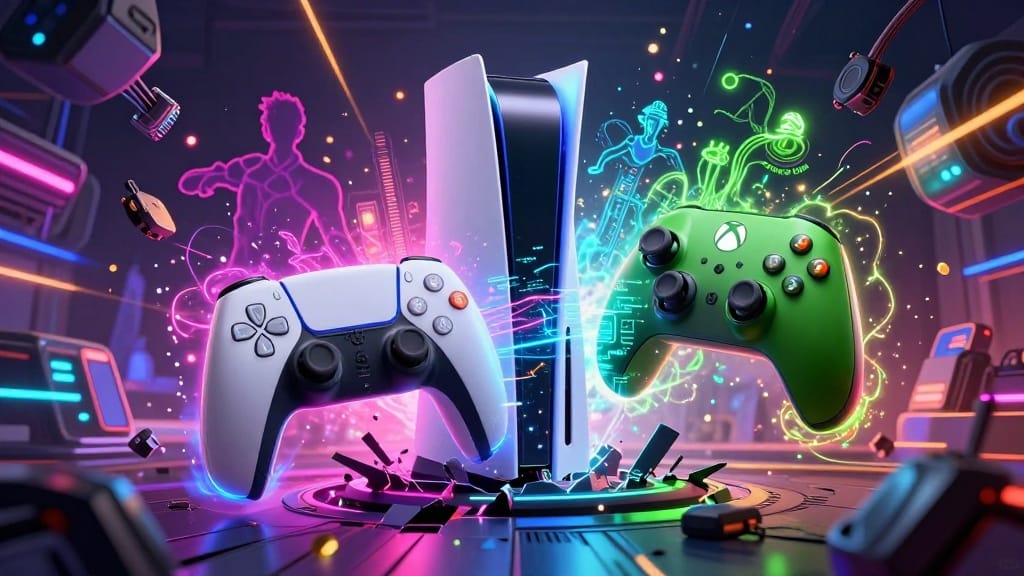
Remember when the "Console Wars" were actually a thing? When you had to basically pledge fealty to a plastic box and defend it like a medieval knight in a Reddit comment section? Yeah, that feels like ancient history now. We are witnessing the total evaporation of the "exclusive" as a selling point. In a move that has absolutely sent shockwaves through the community—and probably caused a few fanboy meltdowns—the green team’s flagship racer is proving that great games transcend brand labels. According to a report from Pure Xbox, Forza Horizon 5 has hit massive sales milestones in its first year on the PS5. Let that sink in: one of Xbox's "Crown Jewels" is currently one of the most profitable titles on the PlayStation Store. It’s a wild timeline to live in, but as TrueAchievements notes, the game has reached an incredible 300 million players across ecosystems, fueled largely by this expansion.
Why does this matter? Because the ROI (Return on Investment) for keeping a game locked in a single room is no longer making sense to CFOs. When a game costs $200 million to make, you need every single player's wallet—regardless of whether they prefer a DualSense or an Xbox Controller. This shift impacts developers because they can finally focus on building a massive, unified player base rather than worrying about platform-specific demographics. For us gamers, it means the end of "hardware FOMO." If I can play my favorite Microsoft racer on my Sony hardware, the "war" is over, and we all won. This trend is likely to continue as the industry leans into the "Software as a Service" (SaaS) model. Even mainstream culture is taking note; the quality of games is so high now that Esquire has already started curate-dropping their list of the best video games of 2026, highlighting how diverse the market has become. We’re seeing indies and former exclusives sitting side-by-side in "Best of" lists, proving that the barrier to entry is finally being demolished. The future isn't about which box you buy; it's about the account you sign into.
But let’s talk about the fallout. This shift creates a massive challenge for Sony. If Microsoft is willing to put their games everywhere, does Sony have to respond by putting God of War or Spider-Man on Xbox? So far, they’ve been stubborn, preferring the PC-port route. But as the player numbers for Forza show, the money on the "other side" is too green to ignore. This also impacts the "value" of consoles themselves. If every game is everywhere, your choice of console becomes about ergonomics, UI, and subscription services rather than "Can I play this game here?" It’s a win for consumer choice, but a nightmare for brand purists. GG to the walls; they’re coming down.
Leaks and Subscriptions: Ubisoft’s Next Move and the Xbox Game Pass "Shadow Drop" Meta
Ubisoft seems to be having a bit of a "leaky faucet" problem lately—or maybe it's a surgical marketing strategy? Honestly, who can tell anymore? We’ve seen some serious smoke regarding a returning favorite that had many of us thinking the franchise was on ice. As reported by Wccftech, a "Definitive Edition" of The Division has been spotted in various database backend updates. This isn't just a simple resolution bump; we’re talking integrated DLC, overhauled mechanics, and potentially a bridge to the long-awaited Division 3. This was further corroborated when the Division Definitive Edition was spotted in the wild by Yahoo Tech via retail listings. This highlights a booming trend in 2026: the "Revival Meta." Why build a new IP from scratch when you can polish a gem and sell it to a new generation of players who missed it the first time?
Meanwhile, Xbox is keeping its Game Pass value proposition higher than my heart rate during a 1v4 "clutch or kick" situation. They’ve perfected the "shadow drop"—the art of releasing a game with zero prior warning to maximize hype and social media engagement. Recently, ComicBook.com reported a surprise day-one game release with only 24 hours' notice, leaving everyone’s download queues screaming for mercy. If that wasn't enough to keep you occupied, XboxEra points out three more titles hitting the service this week, including some heavy-hitting indies. The strategy here is clear: Microsoft wants Game Pass to be the "Netflix of Gaming" where the value is so high you’d be irresponsible to cancel it. They are even teaching old dogs new tricks. For the power users who think they know their hardware, SlashGear recently highlighted several hidden features your Xbox can do, from specialized energy-saving modes to remote-play optimizations that actually make mobile gaming viable.
From an analytical standpoint, this aggressive subscription push is changing how games are designed. We're seeing more "short and sweet" games that are perfect for a weekend binge on Game Pass, rather than everything needing to be a 100-hour open-world slog. But there’s a dark side: the "Subscription Fatigue." With Ubisoft+, EA Play, Game Pass, and PS Plus all vying for our $15-$20 a month, the cost of "all-access" is starting to rival a car payment. Publishers are betting that their "Definitive Editions" of legacy content will act as the anchor, keeping you subscribed even during dry spells between major AAA releases. The Division Definitive Edition isn't just a game; it's a retention tool meant to keep the live-service ecosystem breathing while Ubisoft figures out their next massive open-world tactical move.
The Expansion of Palworld and the Indie-to-Empire Pipeline
If you thought Palworld was just a weird 2024 meme or a "Pokémon with guns" fluke, you are officially a noob. In 2026, Pocketpair’s brainchild has evolved into a full-blown media empire that would make even Nintendo sweat (if they weren't so busy with their own legal teams). Screen Rant recently shared news of a new game in the franchise officially announced for 2026, which looks to expand the lore beyond just base building and sweatshop labor. But the real "big brain" move is the jump into physical media. According to The Verge, we now have a set release date for the Palworld Trading Card Game. This is a massive play. They aren't just competing for your screen time anymore; they are coming for the physical collectibility market that TCG giants like Magic: The Gathering and Pokémon have dominated for decades.
This "Indie-to-AAA" pipeline is the most exciting thing happening on PC right now. The barrier between "small indie dev" and "global powerhouse" is thinner than a piece of thermal paste. For those of us hunting for the next big ARPG fix without having to sell a kidney to pay for microtransactions, Screen Rant also highlighted a free Steam RPG giving off major Diablo vibes this month. This constant flow of high-quality, low-cost content is why gamers are still willing to take risks on new titles. In fact, the hype levels are so high that some fans are throwing their "rulebooks" out the window. Metro recently featured a deep dive into the games readers are actually pre-ordering, despite the "never pre-order" mantra that usually circles the internet like a hawk. It shows that trust is returning to specific developers who actually deliver on their promises.
The success of Palworld in 2026 proves that the "capture/collect/battle" loop is still the most powerful drug in gaming, but players want it with the edge and freedom that traditional franchises are too scared to provide. By branching into a TCG, Pocketpair is de-risking their brand. If the next game is a buggy mess at launch (classic indie move), the TCG and merch keep the revenue flowing. It’s a masterclass in IP management. Moreover, the "Diablo-clone" market on Steam shows that "Free-to-Play" is no longer a dirty word. If a game can provide that "one more floor" dopamine hit for the price of $0, it will dominate the Steam charts. We’re seeing a shift where "Fairness" is the new FOMO; games that respect the player's time and wallet are the ones building the most loyal communities in 2026.
Streaming Culture: When Gaming Consumes the Traditional Entertainment World
Gaming isn't just about what’s on your monitor anymore; it’s about the total cultural takeover. The convergence of traditional Hollywood entertainment and digital creator culture has officially reached its "final form" in 2026. This year, the crossover is more intense than a crossover episode of your favorite anime. For example, while we’re used to Twitch being the hub of our universe, many gamers are now bridging the gap to mainstream cinema and television events. Many are checking out how to watch the Golden Globes live online via Variety's guide, mainly because video game adaptations are now serious award contenders. We aren't just "the hobby" anymore; we are the source material for the biggest hits on TV. The emotional weight of these events was even touched upon by CinemaBlend, noting Nikki Glaser’s comments on the necessity of tributes during the show, proving that the stars we follow are often just as "extremely online" as we are.
However, the streaming world isn't all GG and PogChamps. Netflix, the giant that tried to pivot into gaming, is finding out that gamers are the hardest audience to please. They’ve faced some serious heat recently over their documentary strategies. According to TechRadar, a Stranger Things documentary has frustrated fans who were already feeling salty over the series' finale. It turns out, we don't want "behind the scenes" fluff if the actual content doesn't stick the landing. On a more positive note for those who love a good "prestige" watch between raids, The Express is hailing a new thriller on Netflix as one of the greatest masterpieces in streaming history. Then you have the chaotic intersection of YouTubers and high-stakes reality TV. "Beast Games" has become a cultural phenomenon, but is it worth your precious gaming time? Screen Rant has a guide on whether to binge or skip season 2, highlighting the increasingly blurry line between "YouTuber content" and "Network Television."
This matters because the "Gamer" identity is being mined for data and viewership more than ever. Every major streaming service is trying to figure out how to keep us from clicking back over to Valorant or League of Legends. When Netflix fails to land a Stranger Things doc, it shows a fundamental misunderstanding of "fandom" versus "audience." Gamers are fans—they care about the deep lore, the mechanics, and the "why." Traditional TV still treats us like an "audience"—passive viewers who will eat whatever is served. The successful projects in 2026 are the ones that treat gaming IPs with the same reverence as Shakespeare. The "Beast Games" phenomenon also suggests that the next generation of "pro players" might not be competing in games, but in gamified reality shows. It’s a weird, wild world where your K/D ratio might matter less than your "watch time" on a streaming platform.
Lifestyle Gaming: Touching Grass and the Athletic Aesthetic
For the elite gamers who actually want to touch grass (without losing their rank), the concept of "gaming tourism" is blowing up. In 2026, we’ve moved past just buying the digital deluxe edition; we’re buying plane tickets. As Euronews points out, fans are now flocking to real-life destinations that inspired Assassin’s Creed and Grand Theft Auto. It’s an immersive, almost meta-textual way to experience the lore. Imagine standing in the real-world spot where you performed a Leap of Faith or pulled off a $100 million heist in Los Santos. It’s the ultimate flex for your Instagram story.
And let's not forget the sports-gaming crossover. The realism in simulation games has reached a point where the actual broadcast industry is taking notes. A recent commentators' survey by The Athletic highlighted the incredible work of Peter Drury and others, which is vital because many of us learned the rules of football or basketball through FIFA and NBA 2K rather than watching live TV. The presentation in our games is setting the standard for how real sports should be watched. For those of us who like to have a live game running on the second monitor while we grind, The Athletic also provides the full guide on how to stream the Knicks vs. Trail Blazers. The synergy between high-level sports analysis and gaming's competitive nature has never been tighter.
What’s the future implication here? We’re looking at the "Gamification of Life." Whether it’s tourism motivated by open-world map exploration or sports fans demanding "video game-style" stats and camera angles in real broadcasts, the aesthetics of gaming are becoming the default for the real world. This also means more opportunities for "lifestyle" gaming hardware. We aren't just seeing RGB-lit keyboards; we’re seeing "stealth" gaming gear that fits into a professional office or a luxury travel bag. As gamers age, they aren't stopping—they’re just getting more sophisticated. The "gaming tourist" isn't a kid with a backpack; it's a 30-something professional with a Steam Deck looking for the real-world history that inspired their favorite levels. It represents a maturing of the medium that is finally being respected by the travel and sports industries alike.
Conclusion: The Future is Fluid and the Lag is Minimal
The key takeaway from the first half of 2026 is that the boundaries are dissolving. The "walls" that used to define our hobby—console exclusives, the divide between indie and AAA, the gap between playing and watching—are all being demolished. Whether it’s Xbox games flourishing on Sony’s hardware, Palworld moving from a PC sleeper hit to a worldwide TCG phenomenon, or gaming influencers taking over reality TV, the "gamer" identity is more mainstream and more powerful than ever before. We’ve moved past the era where gaming was a "niche" subculture. In 2026, if you aren't gaming, you're the one in the minority. The future implications for the industry are clear: expectations for high-quality, cross-platform, multi-media experiences will only continue to rise. Developers who try to stay "walled off" or ignore the power of community-driven hype will find themselves left behind in the lobby of history.
As we look toward the rest of the year, expect more "Definitive Editions" to breathe new life into classic titles, and watch for more surprise "shadow drops" as publishers realize they don't need a massive six-month marketing campaign if the game is actually good. The power is shifting back to the players—our time, our attention, and our wallets are domesticating the industry giants. So, keep your drivers updated (seriously, check your GeForce Experience right now), keep those controllers charged, and don't be afraid to try a genre you usually ignore. 2026 is about exploration, integration, and breaking the rules. It’s going to be a wild year, and I'll be here to chronicle every frame-drop and every world-record run. Catch you in the next lobby. GG!