Global Travel and Lifestyle Trends 2026: Navigating Geopolitical Shifts, Culinary Revolutions, and Visual Storytelling

Hey guys, it’s Anya. If you’ve been following my feed lately, you know I’m usually posting from a snowy ridgeline in the Tatra Mountains or tucked away in a cozy milk bar in Kraków. But looking ahead at the travel and lifestyle landscape for 2026, I’m feeling a mix of genuine excitement and "are you kidding me?" disbelief. The world is undergoing a massive transformation, driven by a volatile mix of high-stakes geopolitics, a radical shift in how we consume food, and a return to immersive cultural experiences that feel more authentic than a filtered Instagram post. From the posh "theatre-cation" packages in Manhattan to the unexpected 10% tariffs hitting us here in Europe, the world feels smaller and way more complicated all at once. For those of us who live for the next flight, a new RPG release, or the perfect mountain hike, these changes aren't just headlines—they are reshaping how we plan our adventures and, more importantly, how much they’re going to cost. As a Pole watching these shifts from a European perspective, the tension between the US and the EU is particularly striking, threatening to turn a simple vacation into a logistical puzzle of shifting costs and policy hurdles. We’re moving into an era where "winging it" might just get you stuck at a border or priced out of your favorite dish.
In this deep dive, I’m going to break down how industry leaders are bracing for 2026, why the global dining scene is leaning into local authenticity despite supply chain drama, and how photographers are capturing the "grit and beauty" of a world in flux. We’ll look at everything from the tech-heavy summits in NYC to the quiet, snowy passes of Upper Michigan. My goal is to give you the "lowdown" so you can navigate the year like a pro. The message for 2026 is clear: adapt, keep your sense of humor (you'll need it), and always pack a camera—or even a chemical tray—to document the ride. This isn't just about travel; it's about survival in a world that’s changing faster than a viral meme.
The Geopolitical Chill: Greenland Standoff and Tariff Turmoil
Living in Europe, you get used to the EU being this boring but reliable powerhouse of stability, but 2026 has brought a bizarre and sharp escalation in transatlantic relations that feels like something out of a satire movie. As reported by Reuters, President Donald Trump has vowed to implement a wave of increasing tariffs on eight European nations. The sticking point? An audacious and escalating demand for the United States to purchase Greenland from Denmark. Seriously, Greenland. It feels like a 19th-century land grab flavored with 21st-century aggressive trade policy. This isn't just a diplomatic spat for the suits in Brussels; it’s a direct hit to the lifestyle and travel industries that rely on open trade and movement. When trade wars start, the first thing that usually gets hit is the cost of living and the price of that flight you’ve been eyeing.
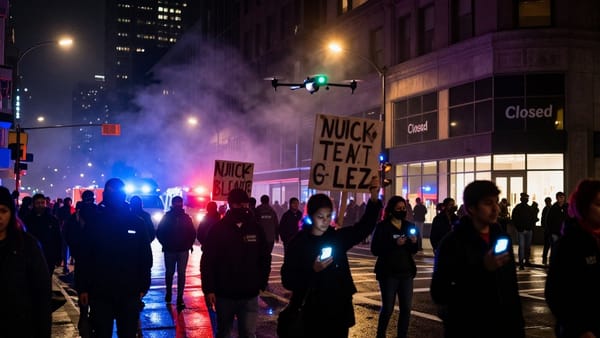
According to Bloomberg, the 10% tariff on goods from countries siding with Denmark—including some of our closest allies like Germany and France—is already straining ties to the breaking point. This move, as noted by the New York Times, is a deliberate strategy to force a seat at the negotiating table, utilizing economic pain as a diplomatic crowbar. While Fox News highlights that the administration views this as a matter of global security and U.S. interests in the Arctic, the immediate effect on the ground is protests and deep-seated uncertainty. CNN reports that thousands have taken to the streets in Copenhagen and other European capitals to protest the move, signaling a "not for sale" sentiment that resonates across the continent.
The implications here are massive. For us travelers, this means potential price hikes on European-made outdoor gear, perfumes, and even luxury items that we love to hunt for during "duty-free" sprees. But it’s deeper than that—it’s about the "vibe check" of international relations. If the US and EU are bickering over North Atlantic ice, the spirit of "open borders" and easy travel begins to fray. The Arctic, once a frontier for adventurous travelers and photographers looking for "The shot," is becoming a militarized and politicized zone. This could lead to stricter visa scrutiny or a general coldness (pun intended) towards tourists from either side of the Atlantic. It’s a reminder that geography and politics are inextricably linked; you can’t have your Arctic cruise without acknowledging who owns the water underneath the boat. For a photographer like me, it adds a layer of "grit" to the beauty—every landscape shot of the North now carries the weight of a geopolitical chess game.
The Evolving US Travel Market: Challenges and Cultural Curations
While geopolitics shifts the macro picture, my friends across the pond in the US are dealing with their own set of internal struggles and fascinating innovations. There is a visible, almost painful decline in international visitors to major American hubs. According to Travel And Tour World, states like California, Florida, and New York are seeing a steep drop in foreign tourists. The culprit isn't a lack of interest in Hollywood or the Everglades; it’s the stringent anti-immigration policies that have created a "Fortress America" vibe. People don't want to spend thousands of dollars on a vacation if they feel like they’re going to be interrogated at JFK or LAX. This decline is forcing tourism boards to rethink their 2026 marketing strategies—moving away from generic "visit us" campaigns to more targeted, safe-feeling messaging.
Despite these headwinds, the industry is getting incredibly creative to lure travelers back, focusing on what I call "niche immersion." A standout example of this is the new theatre-focused travel package that has Broadway fans buzzing. As reported by Playbill, Playwrights Horizons has launched "Off the Page," a four-night package at the Civilian Hotel. This isn't just a hotel stay; it offers fans premium seating and dinner with Artistic Director Adam Greenfield. This suggests a move toward "experience-first" travel where people don't just visit a city; they join its inner circle. It’s about feeling like an insider in a world that often feels very closed off. As someone who grew up playing story-heavy video games, I love this—it’s like a real-life side quest where you get to meet the NPCs (or in this case, the directors) who make the world move.
However, we have to talk about the physical reality of travel in 2026. Mother Nature still holds the final say, and she is feeling particularly spicy this year. For those heading to the Great Lakes or planning a snowboarding trip in the Midwest, Upper Michigan’s Source warns that lake-effect snow is making weekend travel genuinely difficult. This isn't "pretty dusting" snow; it's "cancel your plans and stay by the fireplace" snow. These localized disruptions are exactly what leaders are discussing at the Skift Megatrends NYC summit. As noted by Travel And Tour World, industry executives are gathering to find clarity for 2026, using data and candid debate to navigate the future of global movement. They are looking at how to make travel resilient in the face of climate change and shifting political landscapes. It’s about finding the "why" behind travel when the "how" is becoming increasingly difficult. We’re moving toward a "quality over quantity" mindset—if you’re going to brave the snow and the tariffs, the experience better be worth it.
Culinary Conflicts: New Guidelines vs. Local Flavors
If travel is the body of my adventures, then food is definitely the soul. But in 2026, what we put on our plates is becoming a battlefield of science, corporate interest, and cultural identity. A recent exposé by STAT News reveals that the development of the new dietary guidelines—the "new food pyramid"—was plagued by industry-funded studies, opaque science, and crushing deadlines. This "outrageous" timeline raises questions about the integrity of our dietary guidelines. It’s frustrating because we just want to know what’s actually good for us without the "Big Food" lobby whispering in the ears of the scientists. It makes you want to go back to your grandma’s garden and just eat whatever looks ripe.
Thankfully, nutritionists and foodies are fighting back by reclaiming the reputation of maligned ingredients. We’re seeing a "redemption arc" for foods we were told to avoid. Real Simple recently highlighted seven foods that are actually much healthier than you thought, urging us to give these delicious options a second chance. This shift is part of a larger movement toward "food intuition"—ignoring the rigid, lobby-funded pyramids and focusing on whole, local ingredients. For a traveler, this is great news. It means there’s a renewed focus on what’s growing in the backyard of the place you’re visiting, rather than the same processed stuff you find in every airport lounge from Warsaw to Wichita.
On the business side, the food industry is showing weirdly high resilience despite the chaos. Simply Wall St News reports that Performance Food Group (PFGC) saw a 10.8% sales growth in its recent quarter. Even though the outlook for the coming year is "soft" (which is corporate-speak for "we’re worried about inflation"), people are still spending money on food services. This economic pulse reflects a dining public that is still hungry—literally—for new experiences. From the most anticipated kitchen openings across the country—as detailed by the Hastings Tribune—to the specific local boom in the Midwest, where KCUR showcases the best new restaurants in Kansas City, the message is clear: the local food scene is where the real innovation lives. Kansas City isn't just about BBQ anymore; it’s becoming a micro-hub for experimental dining that rivals the coast. This is where the travel magic happens in 2026—finding that one hidden bistro that uses ancestral grains and radical transparency in its sourcing. It's about honesty on a plate, which feels like the perfect antidote to the confusing headlines about food pyramids.
The Visual Perspective: Capturing a Changing World
As a photography enthusiast who never leaves home without her mirrorless camera (and a backup battery, because I’m paranoid), I’m obsessed with how we document these chaotic times. Sometimes, it’s about the raw action of human endeavor—capturing that split second where physics and spirit collide. The World Sports Photography Awards 2026 recently announced Edgar Su as the overall winner for his incredible image "Carlos’ shadow hits a ball." As BBC Newsround points out, Su’s work was chosen from over 20,000 entries. It’s a stunning example of how sports photography has evolved beyond the "action shot" into something more like fine art. These awards, as noted by My Modern Met, showcase the "grit and beauty" that defines athleticism today. It’s not just about the win; it’s about the shadow, the sweat, and the environment.
Beyond the stadium, photography is taking us into more ethereal and experimental realms. There’s the stunning wildlife photography shared by Digg, featuring Nima Sarikhani’s shot of a polar bear napping on a floating iceberg. It’s like a winter fairy tale but with a sharp edge of reality—it reminds us of the fragile beauty we stand to lose as the climate shifts and the Arctic becomes a political battleground. When I see a shot like that, I don't just see a cute bear; I see the intersection of art and activism. It’s what we should all be striving for with our lenses—telling a story that actually matters. Photography in 2026 isn't just a hobby; it’s a way of witnessing a world that is rapidly changing before our eyes.
And for those of us who are getting a bit "digital fatigue," there’s a fascinating trend toward cameraless photography. The Hindu explores this world of using light and chemical techniques to create images without a lens. It’s a literal "back to basics" movement—photograms, cyanotypes, and chemigrams. It mirrors the authenticity we’re craving in our food and travel. People want to touch the medium, to feel the chemicals, and to create something that can't be perfectly replicated by an AI or a smartphone filter. It’s about the "happy accidents" of light hitting paper. This artisanal approach to imagery is a beautiful metaphor for the year: we are trying to find something real and tangible in a world of high-definition uncertainty. Whether you’re shooting a protest in Denmark or a napping bear on an iceberg, the goal is the same—to hold onto a moment of truth before it shifts again.
Conclusion: Stay Scrappy and Stay Informed
So, where does that leave us? Whether it’s the threat of a 10% tariff making our Polish pierogi more expensive to export or the sheer joy of a "theatre-cation" in NYC, 2026 is shaping up to be a year of intense, high-definition contrasts. We are living through a period where the travel industry is between a rock and a hard place—balancing the dream of global exploration with the reality of increasing geopolitical friction, shifting dietary standards, and a climate that keeps us on our toes. It can feel a bit overwhelming, right? Like you need a PhD in international relations and a Master’s in nutrition just to book a weekend getaway. But as the World Sports Photography Awards show us, beauty usually comes from the struggle. It’s the "grit" that makes the "beauty" pop.
My advice? Don't let the scary headlines or the political posturing stop you from exploring. Stay scrappy. Keep hunting for those local Kansas City gems, support the artists pushing the boundaries of photography, and stay ready to pivot your travel plans when the lake-effect snow—or a sudden tariff—hits. We have to be more intentional now. We can't just consume experiences; we have to engage with them. Support the local businesses that are being honest about their food, and use your voice (and your camera) to document what you see. The future of lifestyle and travel isn't just about where we go; it's about how we adapt to the journey and who we choose to be along the way. See you out there, guys—hopefully with a camera in hand, a sense of adventure in your heart, and a decent exchange rate in our pockets! Let's make 2026 a year of resilience, one photo and one meal at a time.