Global Market Volatility, Geopolitical Shifts, and Public Safety Trends: A Year-End Analysis

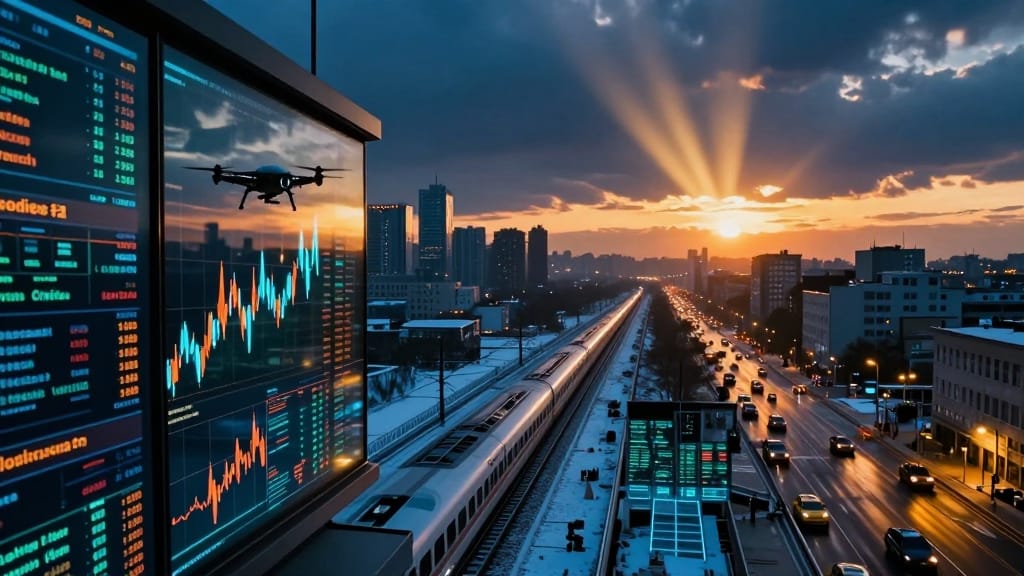
As the sun sets on 2025, the global landscape is characterized by a jarring juxtaposition of seasonal optimism and systemic instability. The traditional holiday "Santa Claus Rally" on Wall Street is currently contending with a volatile mix of massive digital asset expirations, intensifying drone warfare in Eastern Europe, and a fundamental shift in how domestic public safety is legislated. This transition toward 2026 is not merely a change of the calendar; it represents a pivot point for institutional resilience. From the high-stakes trading floors of Manhattan to the embattled streets of Kyiv, and from the high-speed rail corridors of East Asia to the icy transit routes of the American Northeast, the forces of modernization and conflict are colliding. This comprehensive report synthesizes breaking news across the financial, geopolitical, and technological sectors to analyze the underlying drivers of this global transformation. As we navigate these overlapping crises and breakthroughs, at "Breaking Wire," we remain committed to providing the precise data and context required to understand a world in rapid flux. The implications of these year-end developments will ripple through the first quarter of 2026, dictating everything from interest rate trajectories to international defense budgets and localized emergency management protocols.
Equities and Digital Assets: Navigating Year-End Volatility and Institutional Liquidity
The financial markets are attempting to maintain their upward trajectory as the traditional "Santa Claus Rally" faces headwinds from global uncertainty. As reported by Yahoo Finance, the Dow, S&P 500, and Nasdaq remained steady as investors weighed year-end gains against potential economic shifts into the fiscal new year. Historically, the final five trading days of December and the first two of January carry a statistical bias toward gains, but 2025 is proving to be an outlier due to a "thin market" phenomenon. This stability is critical for institutional portfolios, particularly as CNBC clarifies in its market live updates that trading volumes typically thin out during the holiday lull, often leading to exaggerated price movements that can trap retail investors who lack the algorithmic tools of major hedge funds.
The risk of low liquidity cannot be overstated. When fewer participants are active, even moderate buy or sell orders can cause significant "slippage," where the execution price differs substantially from the quoted price. Understanding the logistical constraints of the season is also paramount for traders; for instance, Naples Daily News provides the vital holiday schedule for exchanges, noting that timing adjustments can impact liquidity and the settlement of trades. For portfolio managers, these abbreviated sessions are less about active growth and more about "window dressing"—the practice of selling losing positions and buying winners to make year-end reports look more attractive to clients.
Beyond traditional equities, the digital asset space is bracing for a massive, potentially destabilizing liquidity event. According to CryptoPotato, the market is currently adjusting to an "epic" $27 billion crypto options expiry. This represents one of the largest settlement events in the history of decentralized finance (DeFi), and it could trigger significant price swings in Bitcoin and Ethereum as "max pain" points are hit. Such a massive expiry often forces market makers to hedge their positions aggressively, leading to a cascade of volatility. However, this turbulence comes at a time of underlying cautious optimism; Tiger Research suggests that the 2026 crypto outlook remains inextricably tied to institutional adoption and the anticipated arrival of clearer regulatory frameworks. The transition from speculative retail dominance to institutional "buy-and-hold" strategies is the dominant narrative for the coming year. If Bitcoin survives this $27 billion expiry without a sustained crash, it will signal a maturing market capable of absorbing extreme shocks.
The convergence of traditional and digital finance is also creating new correlations. Analysts are increasingly observing that crypto "whales" are taking cues from the 10-year Treasury yield, a sign that the two markets are no longer decoupled. This means that any hawkish signals from central banks regarding 2026 inflation targets could simultaneously dampen the Santa Claus Rally and trigger a sell-off in digital assets. For the average investor, the message is clear: the final week of December is a time for observation rather than aggressive speculation. The real test begins in the second week of January, when full institutional participation returns and the actual direction for the 2026 bull market is established through sustained volume.
Global Security and the Escalation of Geopolitical Conflict
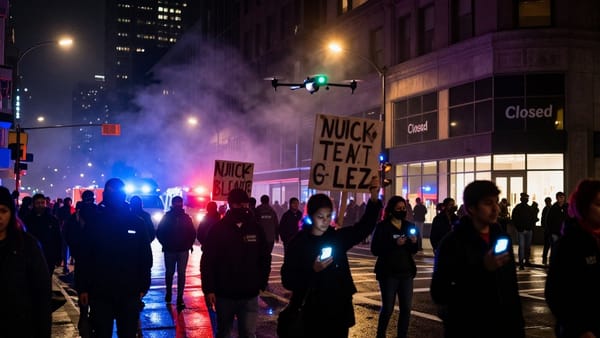
While global markets attempt to project a veneer of stability, the geopolitical arena is under severe, perhaps unprecedented, strain. In Eastern Europe, the conflict has reached an inflection point characterized by technological escalation and urban targeting. According to Reuters, the Ukrainian capital of Kyiv has come under a massive Russian attack, marking a significant escalation in the use of long-range strikes and "swarm" drone tactics against civilian infrastructure and urban centers. This surge in violence is not merely a tactical maneuver; it is a strategic attempt to degrade the morale of the populace before the harsh mid-winter sets in. The use of advanced electronics to jam defense systems during these strikes suggests a new phase of electronic warfare that will likely dominate 2026 defense budgets worldwide.
The impact of this escalation radiates far beyond the borders of Ukraine. This intensification complicates international diplomatic efforts and places renewed pressure on global energy and supply chains. As urban centers become the primary targets, the resulting humanitarian displacement creates a "second-front" crisis for neighboring European nations, stressing social services and testing political unity. Furthermore, the disruption of Black Sea shipping routes—potential collateral of increased naval drone activity—remains a persistent threat to global grain and fertilizer prices. What occurs in Kyiv today is a precursor to the security challenges of 2026: a world where "gray-zone" warfare and high-tech attrition are the new norms.
Concurrently, other regions are seeing tentative, albeit fragile, steps toward de-escalation that provide a stark contrast to the European theater. In Southeast Asia, a volatile peace is being tested through localized diplomatic engagement. As reported by the Associated Press (AP), a ceasefire has been initiated following border fighting between Thailand and Cambodia. These regional conflicts, while localized in geography, contribute to a broader sense of global instability that impacts everything from humanitarian logistics to international trade routes. The ceasefire near the Preah Vihear temple region serves as a reminder that even in an age of globalized warfare, ancient territorial disputes remain capable of sparking sudden kinetic engagement.
The "Why It Matters" for global security in 2026 lies in the interconnectedness of these flashpoints. A ceasefire in Southeast Asia might free up diplomatic capital for other regions, but the massive drone attacks in Kyiv signal that the era of low-cost, high-impact warfare is here to stay. Nations are now racing to develop "counter-UAS" (Unmanned Aerial Systems) technology, a sector that is expected to see triple-digit growth in the coming year. For global observers, the takeaway is sobering: the geopolitical "center of gravity" is shifting away from traditional diplomacy and toward technological superiority and infrastructure resilience. As we move into 2026, the definition of national security is expanding to include the protection of digital grids and the ability to withstand prolonged "limited" conflicts that don't escalate to total war but never quite reach a total peace.
Public Safety, Policy Reform, and Local Governance
Domestic issues in the United States are currently dominated by a mix of immediate seasonal hazards and a fundamental legislative shift toward more aggressive public safety protocols. The Northeast is currently grappling with severe weather conditions that have paralyzed transportation networks. As documented by CBS News New York, which is tracking a winter storm bringing heavy snow and ice to New York, New Jersey, and Connecticut, the regional infrastructure is being pushed to its limits. These weather events exacerbate risks on the road, necessitating a high-tempo response from emergency services. For example, the News Center Maine highlights the Livermore Falls Fire Department's recent efforts to manage a surge in car crashes due to icy conditions, underscoring the vital role of local first responders during "whiteout" events.
Beyond the immediate physical dangers of winter, legal and ethical questions in public safety administration are coming to the forefront of the national conversation. In Oregon, a controversial appointment has sparked a heated debate regarding the vetting and integrity of public officials. Boing Boing reports on the appointment of an individual with a prior conviction for murder to a public safety role in Salem, highlighting a systemic failure in the administrative oversight process. This case has become a flashpoint for critics who argue that public safety roles require the highest standards of moral and legal vetting to maintain community trust. The fallout from this decision is expected to lead to new state-level mandates in 2026 regarding background checks for advisory and administrative safety positions.
Legislative bodies are also moving toward stricter enforcement mechanisms as they prepare for the new year. According to Bakersfield Now, California is introducing a suite of new public safety laws for 2026 implementation, aimed at modernizing the state's approach to organized retail theft, drug distribution, and community protection. These laws represent a shift back toward "deterrence-based" policy after years of experimental reform. This focus on driver ethics and strict legal compliance is echoed by PR Newswire, which highlights Torgenson Law’s holiday advisory regarding DUI laws and the long-term insurance impacts for drivers. The advisory warns that a single DUI conviction in the post-2025 legal environment could lead to permanent "high-risk" status, making insurance virtually unaffordable for many working-class families.
Despite these administrative and legal challenges, there are ongoing stories of professional pride and dedication in the public sector. The Times-Georgian recently profiled the dedication of individuals within the Georgia Bureau of Investigation (GBI), focusing on the "pride and purpose" required to maintain public order during periods of high stress and social division. This human element of public safety—the culture of the agencies themselves—will be a critical factor in 2026 as departments face recruitment shortages and increasing public scrutiny. The trend moving forward is clear: public safety is no longer just about "policing" in the traditional sense; it is an integrated field involving meteorology, legal ethics, and high-tech emergency response.
Technological Innovation and the New Cultural Zeitgeist
Even amidst heavy news cycles and geopolitical tension, technological milestones and recreational trends continue to evolve at a record-breaking pace. In the realm of transportation technology, China has achieved a feat that signals a paradigm shift in logistics and human mobility. According to NDTV, a Chinese maglev train has broken world records by reaching speeds of 700 km/h in an incredibly short timeframe. This breakthrough in hyper-speed transit has massive implications for the future of global logistics. If this technology can be scaled and safely commercialized, it could effectively replace short-haul air travel, significantly reducing carbon emissions and fundamentally altering the economic geography of East Asia. The speed achieved—700 km/h in just two seconds—is a testament to leaps in magnetic levitation and propulsion engineering that will likely trigger a new "transportation space race" between the world's leading economies in 2026.
The cultural zeitgeist, meanwhile, remains centered on the digitalization of entertainment and the gamification of daily life. The entertainment industry is preparing for major live events that blend traditional sports with high-stakes digital streaming. For instance, AEW Worlds End 2025 is drawing massive attention; as reported by Sporting News, fans are closely monitoring streaming details and match cards for what is expected to be a record-setting pay-per-view event. This interest in scripted, high-drama competition reflects a broader societal desire for "appointment viewing" and communal experiences in an increasingly fragmented digital world.
Simultaneously, the quiet, daily routine of digital puzzles continues to engage millions of users, providing a low-stress cognitive anchor during turbulent times. The persistent popularity of these games suggests a psychological need for "solvability" in an era of complex global problems. For those seeking daily solutions and mental engagement, The New York Times provides consistent reviews and linguistic analysis of Wordle challenges. For fans of geography and global trivia, NME offers daily hints for Globle, while GameSpew provides the latest Worldle answers. These micro-trends are not insignificant; they represent the "soft power" of digital media and the way modern individuals manage stress through bite-sized, achievable challenges. As we enter 2026, the integration of gaming into daily wellness and news consumption is expected to deepen, with more major news outlets adopting "puzzles-as-a-service" models.
The convergence of 700 km/h trains and digital puzzles illustrates the duality of the modern experience: we are moving faster than ever before in the physical world, while simultaneously seeking out quiet, meditative digital spaces to pause and think. For business leaders, this duality presents a unique challenge for 2026: how to market to a consumer who is increasingly mobile and tech-driven, yet simultaneously protective of their mental downtime. The companies that successfully bridge this gap—perhaps by providing high-speed connectivity that enables both productivity and play—will be the market leaders of the next half-decade.
Analysis: The Road to 2026 and the Doctrine of Forced Modernization
The convergence of these global events—from the $27 billion crypto expiry to the 700 km/h maglev breakthrough and the escalating drone strikes in Kyiv—suggests that 2026 will be defined by what we call "forced modernization." This is not a gradual adoption of new trends; rather, it is a period where governments, industries, and individuals are being compelled to modernize their strategies and infrastructure to survive in an increasingly volatile reality. Governments are being forced to modernize public safety laws to account for new social behaviors and ethical standards, while industries are being forced to modernize their transport and digital grids—as seen in China's rail achievements—to remain globally competitive in a post-globalization economy.
The primary risk factor heading into the first quarter of 2026 remains the volatile interplay between geopolitical violence and economic stability. If the escalations in Kyiv continue to disrupt global markets or trigger a wider energy crisis, the "Santa Claus Rally" will likely be remembered as the last gasp of 2025's optimism, replaced by a more defensive, high-interest-rate fiscal posture in the new year. Furthermore, the massive options expiry in the crypto markets serves as a warning that digital assets are now an integral part of the global financial plumbing; a failure there is no longer a localized "tech" problem, but a systemic threat to broader market liquidity.
The human element of this transition is equally critical. As seen in the dedication of public safety officials in Georgia or the struggle of drivers in the icy Northeast, the ability of local systems to withstand global shocks (like climate-driven storms or supply chain disruptions) will determine the "livability" of 2026. The coming year will likely see a push for "sovereign resilience"—the idea that individual cities and states must be able to function autonomously during periods of national or global crisis. This will manifest in decentralized energy grids, localized manufacturing, and community-based safety initiatives.
In conclusion, the late-2025 landscape is one of stark, almost cinematic contrasts. We see record-breaking technological speed coexisting with the slow-moving, often frustrating bureaucracy of policy reform. We see the quiet strategy of digital puzzles played on smartphones while the loud, devastating impact of urban conflict echoes across Eastern Europe. As we look toward the 2026 implementation of new laws, market outlooks, and technological standards, the ability of both individuals and institutions to adapt to rapid, often unwelcome changes will be the ultimate determinant of success. The transition is no longer optional; it is the new baseline for a world in constant motion. At Breaking Wire, we will continue to monitor these developments around the clock, ensuring that as the world changes, your understanding remains ahead of the curve.