Extraction Shooters, Cloud Ad-Tiers, and the 60fps Renaissance: Mapping Gaming’s 2026 Shift

Buckle up, nerds! The gaming landscape is shifting faster than a speedrunner on caffeine, and if you aren't paying attention, you're going to get left in the spawn room. We’re currently witnessing a massive, high-speed collision between "old-school" nostalgia and the ruthless monetization strategies of the future. It’s a wild time to be a gamer. From Bungie finally putting a hard date on their neon-soaked extraction shooter to Xbox making moves that might actually let you play AAA titles for the price of watching a few commercials, the industry is in a state of chaotic flux. We've moved past the "is cloud gaming real?" phase and straight into the "how many ads can they fit into my HUD?" phase. As we look toward the heavy hitters scheduled for 2026, it’s clear that "engagement" is the only metric that matters to the suits anymore, whether you're sweating it out on a high-end PC or tinkering with a modular handheld that looks like it traveled back from a cyberpunk future.
In this massive deep dive, we’re breaking down why the "refurbished" market is a gamble that’ll probably leave your wallet crying, how classic franchises like Far Cry are finally getting the frame-rate love they should have had years ago, and why the "extraction shooter" genre is about to face its ultimate test with the revival of a legendary IP. We’re also looking at how tabletop giants like Warhammer are schooling everyone on how to build a billion-dollar brand without losing their soul (or their fan base). It’s not just about the hardware; it’s about the culture, the community, and the ever-evolving way we consume digital entertainment. GG everyone, let's get into the patch notes of the real world and see who’s getting buffed and who’s getting nerfed into oblivion.
The Marathon Tech-Check: Bungie’s High-Stakes Extraction Gamble
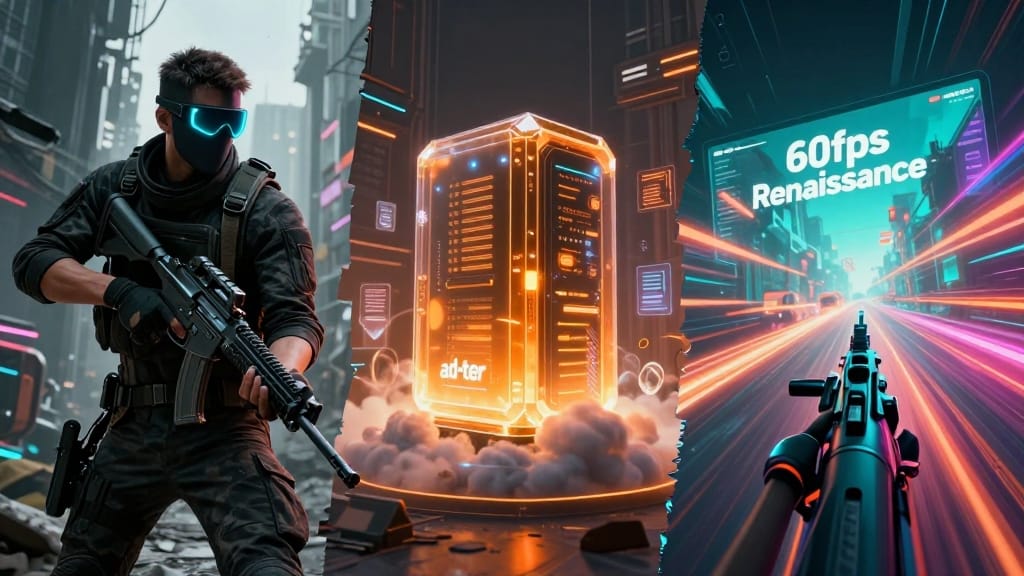
The wait is almost over, and honestly, my heart rate is already spiking just thinking about the potential for a fresh meta. After months of whispers, frantic Discord theories, and a few tactical leaks that kept us all on edge, the release date for Bungie's upcoming first-person extraction shooter Marathon has been officially revealed. Mark your calendars for March 5, because that’s when we’re all dropping into whatever neon-drenched, AI-infested nightmare the Destiny devs have cooked up for us. According to VGChartz, the game is set to hit PS5, Xbox Series X|S, and PC simultaneously. This is a huge win for the community—simultaneous multi-platform launches are the only way to prevent the dreaded "spoiler-filled" week where one group of players gets to solve all the puzzles before the rest of us even finish the download.
This isn’t just another release; it’s a make-or-break moment for Bungie. They’ve spent the last decade perfecting the "looter shooter" with Destiny, but the extraction genre—pioneered by games like Escape from Tarkov—is a completely different beast. In Marathon, there’s no "Guardian Down" safety net where your ghost brings you back to life for free. If you die, you lose your loot. The pressure is on Bungie to see if they can bring that signature "gun-feel" they’re famous for into a high-stakes competitive environment. The road to launch has been a bit of a loot-scramble itself. As reported by Eurogamer, the release date actually leaked slightly early via an Xbox Store trailer, proving once again that the internet has zero chill and that internal staging servers are apparently made of Swiss cheese. However, as noted by Games Press, pre-orders are now officially live across all storefronts.
Why does this matter? Because the extraction shooter genre is currently crowded with clones, and it needs a North Star. If Bungie sticks the landing, they redefine the genre for a casual-to-mid-core audience that finds Tarkov too punishing. If they fail, it’s a massive blow to Sony’s "live service" ambitions. This game represents the evolution of the 90s Marathon IP, shifting from a solo narrative experience to a team-based tactical extraction loop. The social implications are huge: will the Destiny "dads" migrate to Marathon, or is this game targeting the Zoomer crowd who lives for the high-intensity thrill of a 1v3 clutch? We’re looking at a world where lore is delivered through environmental storytelling and "interactives" rather than 20-minute cutscenes, which is a massive pivot for a studio that loves its space-opera theatrics. The "neon-prime" aesthetic alone makes it stand out, but the gameplay loop will determine if it stays installed or gets the "Delete" button as soon as the first battle pass ends.
The Monetization Mythos: Ad-Supported Cloud Gaming and the Cost of Entry
If you thought your gaming sessions were a safe haven from "brought to you by," think again, because the corporate overlords have arrived. In a move that is making waves across the industry, Xbox Cloud Gaming is getting ad-supported access this year. According to Windows Central, this "ad-supported" tier could democratize gaming for those who can't drop $500 on a console or $2000 on a rig, but it signals a massive shift in how we value digital time. We’re seeing a shift where gaming mirrors the streaming wars—think Netflix with ads, but for Halo or Gears of War. Imagine being one kill away from an Overkill in Halo and having a 15-second spot for a sugary energy drink pop up because you opted for the "free" tier. Okay, maybe it won't be that intrusive, but the industry is clearly testing the limits of player patience.
This "everything-as-a-service" trend is a double-edged sword that’s feeling sharper by the day. While it’s great for accessibility, Game Rant notes there are incredibly frustrating trends currently plaguing the industry, from aggressive microtransactions to the "always-online" requirements that make single-player games unplayable if your ISP decides to take a nap. The industry is obsessed with "live service" and 10-year roadmaps, but gamers are hitting a wall of absolute burnout. We want polish, not just "content" for the sake of checking a daily login box. This shift toward cloud dominance is also changing our general media consumption. Some users are finding that the streaming service they use most isn't even Netflix or Prime, but rather gaming platforms where the "watching" (via Twitch or cloud playback) is as important as the doing.
The implications here are wild. By 2026, we might see "Free-to-Play" consoles where the hardware is subsidized by mandatory ad viewership. It sounds like a dystopian novel, but it’s the logical conclusion of the "Games-as-a-Service" (GaaS) model. Even the cultural world is leaning into this "always available on every platform" vibe; for instance, Ghost’s cover of 'It’s A Sin' finally hitting streaming services shows how specialized content is being fed into the digital maw to keep us subscribed, engaged, and clicking. Microsoft’s move suggests they are no longer competing with Sony for console sales; they are competing with YouTube and TikTok for your attention span. If they can make a kid in a developing market play Forza on a 5-year-old smartphone just by watching a few ads, they’ve unlocked a billion-player market that the PS5 can’t reach. It’s an "engagement" play, and in the current economy, attention is the new gold. But for those of us who grew up with "buy once, play forever," this transition feels like a slow-motion car crash into a billboard.
Nostalgia or Cash Grab? The 60fps Renaissance and Remaster Mania
Why build something new from scratch when you can polish something old, slap a "Remastered" sticker on it, and sell it for a premium? I’m kidding (mostly), but the hunger for nostalgia has reached a fever pitch as players grow tired of half-baked new releases. Currently, rumors about Fallout 3 and New Vegas remasters are swirling like a radstorm in the Mojave. With Season 2 of the Fallout TV series on the way, Bethesda and Microsoft would be leaving millions of caps on the table if they didn't bring these clunky-but-beloved classics to modern hardware. Everyone wants to see New Vegas with modern lighting and a draw distance that doesn't make the desert look like a PlayStation 1 background. Ubisoft is already jumping on this "modernization" trend; Far Cry fans are finally getting 60fps updates for three classic titles (Far Cry 3, 4, and 5), making those beautiful tropical and mountain vistas feel buttery smooth on the current gen. Finally, no more "motion sickness" from 30fps choppiness while trying to wingsuit off a cliff!
But we have to pause and ask: does a better frame rate actually fix a fundamentally flawed or dated game? According to SVG, there are several "classic" games that were actually ruined by their final levels or tech limitations, proving that no amount of 4K texture work can fix poor game design from 2008. When we talk about the "best" games, it often comes down to the vibe and the artistic intent rather than just the pixel count. PC Gamer recently asked which game has the best art, highlighting that visual identity—like the painterly world of Elden Ring or the stark brutalism of Control—is often more important than raw graphical power. If you remaster a game like Fallout 3, do you keep the "green tint"? If you remove it, is it still Fallout 3? These are the philosophical crises of the 2026 gamer.
The success of these remasters also stems from the massive growth of IPs outside of the digital space. For example, The Guardian reports that Warhammer has become a £6bn global business, proving that a strong IP can transcend its niche tabletop origins to become a mainstream titan. Whether it's Henry Cavill talking about miniatures or Space Marine 2 selling millions of copies, the "nerd culture" of the 90s is now the dominant cultural force. Brands are realizing that nostalgia isn't just a gimmick; it's a foundation. Players aren't just buying a 60fps Far Cry patch; they're buying back the feeling of being 15 years old and exploring Rook Island for the first time. The challenge for 2026 is avoiding the "remaster fatigue" that hit the movie industry. If every game is just a remake of a 20-year-old title, where is the innovation? We’re in a "holding pattern" while we wait for the next generation of hardware to truly show us something we've never seen before.
Hardware Hazards and the Rise of the Handheld Horizon
The search for the perfect gaming setup is a dangerous quest, full of RNG and potentially bricked electronics. As we move deeper into 2026, the demand for portable power has created a wild west of hardware. Take the cautionary tale of an Oregon man who bought refurbished consoles from Temu to see if they were legit. Spoiler alert: you usually get exactly what you pay for, and hidden "junk" parts, counterfeit controllers, and overheating power supplies are a real risk when you're looking for an extreme discount. If you want quality, you have to look at the cutting edge, but your bank account is going to take a heavy hit. This year is all about the "Third Way" of gaming: devices that bridge the gap between the Steam Deck and a full-blown desktop.
Enter the MANGMI Pocket Max, a modular handheld that is currently the talk of the PC enthusiast community. Boasting a best-in-class display and a massive battery that actually lasts longer than a flight across the country, this device represents the future of boutique hardware. Modular means you can actually upgrade the RAM or the SSD without feeling like you're performing open-heart surgery on a ticking time bomb. This is a direct response to the "planned obsolescence" that has plagued modern electronics. People are tired of buying a device that’s outdated in 18 months. As we look toward the biggest Triple-A releases of 2026, hardware has to be agile. As Game Rant points out, the upcoming titles (including the rumored GTA VI PC port and the next Elder Scrolls whispers) are pushing what’s possible with engine tech, ray-tracing, and player agency. If you’re still rocking a 10-series GPU, 2026 is going to be the year you finally have to upgrade or get left behind in a blurred mess of upscaled pixels.
But while we obsess over the new, we can't forget the roots. There is a massive undercurrent of players who don't want 4K/120fps; they want the tactile feel of the past. The latest Retro Recap on Time Extension highlights that classic gaming news—from new NES cartridges being manufactured to the preservation of lost arcade roms—is more active than ever. This creates a fascinating hardware split. On one hand, we have modular beasts like the MANGMI; on the other, we have a thriving market for CRT monitors and FPGA-based consoles like the Analogue Pocket. The "2026 Shift" isn't just about moving forward; it’s about the fragmentation of the market into ultra-niche hardware categories. You’re no longer just a "PC Gamer"; you’re a "Handheld Enthusiast," a "Retro Purist," or a "Cloud Native." Each of these groups has its own entry barriers, its own hardware requirements, and its own "GG" culture.
Beyond the Screen: Streaming, Sports, and the Competitive Spirit
Gaming doesn't exist in a vacuum anymore. The same tech that lets us stream Marathon with zero latency is also revolutionizing how we watch everything else. The "gamification" of media is real. Whether it’s finding out how to watch UNC Wilmington vs. Drexel in women’s basketball or catching the Rams vs. Bears NFC Divisional game, the streaming infrastructure is the unsung hero of 2026. Fans are even looking for the most old-school way to engage, searching for radio coverage for the Bears vs. Rams game. Why? Because the modern gamer and sports fan wants a "multi-tap" experience. We’re playing a game on one screen, watching a stream on the other, and listening to a podcast or radio broadcast in the background. Our brains are multi-threaded now.
This crossover between gaming, sports, and tech highlights a singular truth: we want our entertainment available everywhere, on any device, at any time, with zero friction. The competitive spirit of a 1v1 in a fighting game is the same energy found in a high-stakes NFL divisional game. This is why we’re seeing "Watch Parties" become a native feature in gaming consoles. The social layer of gaming is expanding to include all forms of entertainment. For example, the success of Warhammer as a brand isn't just about the models or the video games; it's about the "hobby" ecosystem. Likewise, the future of gaming isn't just about more pixels or faster GPUs—it’s about the convergence of communities. From the hardcore tabletop fans to the PC gamers arguing over art direction in a Discord server, the industry is more connected and more vocal than it has ever been in human history.
As we look forward to the "Great 60fps Patch" of our older libraries and the experimental ad-tiers of cloud gaming, we have to stay vigilant. The "GG" culture is under threat by monetization schemes that want to turn every minute of playtime into a revenue stream. But as long as there are developers like Bungie trying to reinvent the extraction shooter and hardware makers building modular handhelds for the people, there's hope. The way we play is changing—it's more fragmented, more expensive, and more digital—but the passion for that perfect clutch play remains the same. Whether you’re on a PS5, a modular MANGMI, or a cloud-based phone, the goal is always the same: don't get tilted, play the objective, and for the love of all things holy, check your corners. 2026 is going to be a wild ride, and I’ll see you in the lobby for the Marathon launch. Don't be a noob—bring your A-game!