Beyond the Postcard: How Cultural Shifts and Geopolitics are Redefining Travel and Lifestyle in 2026

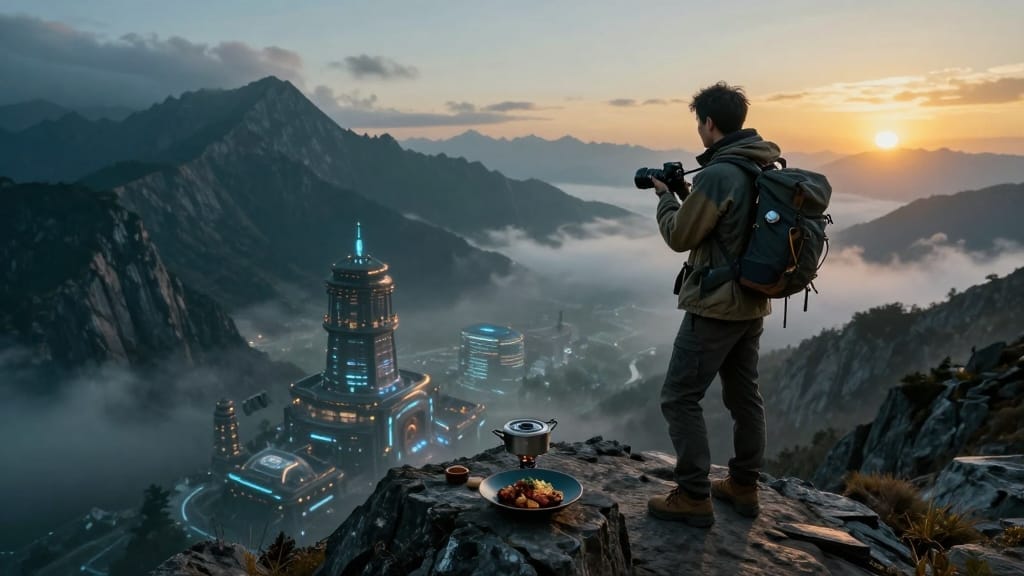
I’ve always believed that travel is more than just checking pins on a map or getting that perfect shot of the Tatra Mountains back home in Poland. It’s about how we adapt to a world that feels like it’s constantly shifting under our feet. Whether it's a sudden winter storm grounding flights or the slow-burn evolution of how we define "fine art" in a kitchen, our lifestyle choices in 2026 are becoming intensely personal. We aren't just looking for destinations anymore; we are looking for security, purpose, and maybe a little bit of rebellion against the status quo. From the high-tech "dark kitchens" of England to the rugged peaks of Patagonia, the way we move, eat, and see the world is undergoing a massive transformation. As a photography nerd and someone who practically lives out of a carry-on, I’ve noticed that the "vibe shift" isn't just a meme anymore—it's a fundamental restructuring of how we occupy space on this planet. We are moving away from the curated, sterilized experiences of the 2010s and into something much more raw, unpredictable, and, frankly, a bit more honest.
In this deep dive, I’m exploring how global safety rankings are reshuffling, why your next gourmet meal might be funded by an arts grant, and how photography is moving away from gear-obsession toward raw, emotional storytelling. We’ll also look at the tightening bonds—and tensions—within Europe as we navigate a complicated geopolitical landscape. It’s a wild time to be alive, especially as a European watching the old alliances flicker and change like a faulty neon sign. We're seeing a push for autonomy that feels both terrifying and empowering. Grab a coffee—or if you’re feeling extra Polish, maybe a pączek—and let’s get into what’s actually happening in the world right now. This isn't just about where you're going next summer; it's about how the world is being rebuilt while we're busy booking our flights and trying to capture the perfect golden hour.
The New Safety Map: Why We’re Trading the Familiar for the Secure
For a long time, the usual suspects dominated our travel itineraries, but the vibe is definitely changing. It’s a bit of a shocker, especially for my American friends, but according to People.com, the U.S. didn't even make the cut for the top 15 safest places to travel in 2026 by Berkshire Hathaway Travel Protection. This isn't just about crime stats; it's about the perceived stability of a country, the health of its infrastructure, and even its susceptibility to health crises. When you’re used to the European perspective where you can hop across borders within the Schengen zone with a sense of collective security, seeing a major superpower drop off that list makes you rethink your next big road trip. For many of us in Poland, safety isn't just a "nice to have"—it's the baseline. We look at the list and see Iceland and Denmark at the top, and it makes sense. These are places where the social fabric feels intact, and in 2026, that "intactness" is the ultimate luxury.
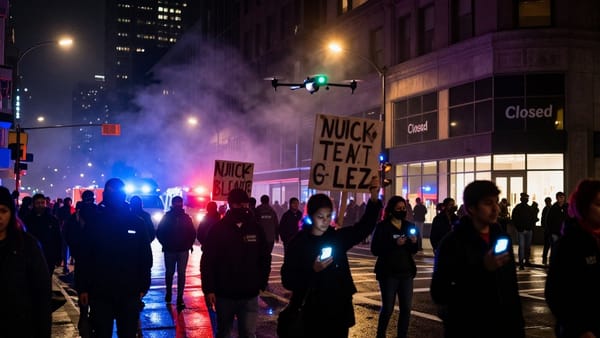
The exclusion of the U.S. reflects a broader trend of travelers prioritizing "low-friction" destinations. We’re tired of the "what-ifs." This anxiety is compounded by the fact that the weather is also playing a huge role in this "unpredictability" factor. We're seeing more extreme shifts, like the Southern US winter storm reported by Yahoo Finance, which recently snarled air travel and even threatened the citrus industry in the Carolinas and Virginia. When snow hits places that aren't built for it, it reminds us that "safe" also means "reliable." If a city can’t handle five inches of snow without the entire logistics chain collapsing, travelers start to look elsewhere. From a photography standpoint, these weather events create incredible, moody shots, but as a traveler stuck in an airport terminal, the aesthetic wears off pretty fast. We are seeing a shift where travelers are checking meteorological reliability as much as they are checking hotel reviews.
Interestingly, some people are leaning into the chaos and refusing to let it dictate their lives. As reported by ABC11 Raleigh-Durham, photographer Justin Eisner and several wedding parties pushed forward with their plans despite the snow. It shows a certain "keep calm and carry on" attitude that defines traveler resilience today. This is the "stubborn traveler" era. We’ve been through a pandemic, we’ve seen geopolitical shifts, and now we’re just like, "Whatever, I’m getting my photos." This resilience is fascinating because it suggests that while we care about safety rankings, our desire for experience—for that one perfect, snowy wedding shot or that rugged hike—often trumps our fear. It’s a paradox of modern life: we want the safety of Denmark but the adventure of a Carolina blizzard. Balancing these two desires is going to be the main challenge for the travel industry for the rest of the decade.
Lifestyle Evolution: Passion-Led Travel and the Death of the Dining Room
We’re moving away from generic vacations toward what I call "Main Character Energy" trips. According to the Booking.com 2026 Trend Report shared by Forbes, travelers are now choosing destinations based on very specific personal goals and quirks. It’s not just about the beach; it’s about finding a place that fits your aesthetic or your latest hyper-fixation. Maybe you’re into brutalist architecture in Warsaw or chasing the northern lights for the tenth time because you need that one specific exposure. This mirrors a shift in our daily lives where convenience often trumps tradition. For instance, The New York Times notes that almost three out of every four restaurant orders in the U.S. are now eaten outside of the restaurant, fueled by apps like DoorDash. We are becoming a "delivery culture," which is a bit depressing if you think about the loss of the communal table, but it also reflects our need for control over our time and environment. We want the Michelin-star food, but we want to eat it while wearing pajamas and watching a Twitch stream.
In the UK, this trend has a darker side that every traveler should be aware of. A study mentioned by The Guardian reveals that one in seven food delivery businesses in England are "dark kitchens"—facilities with no storefront that might pose public health risks. It’s a bit of a meme at this point—ordering a gourmet-looking burger that was actually made in an industrial park shipping container. This "unbundling" of the dining experience is a double-edged sword. On one hand, it allows for niche food concepts to explode without the overhead of a Soho rent; on the other, it strips away the soul of hospitality. As someone who loves the vibe of a busy bistro, the idea of a "dark kitchen" feels a bit like the "uncanny valley" of food. It looks right on the app, but the context is missing. It’s the culinary equivalent of an AI-generated image—technically correct, but lacking that human touch.
Contrast this with Denmark, where the New York Times reports that high-level chefs might soon be eligible for arts funding. This is such a "very European" move, and I honestly love it. It’s a fascinating debate: is a chef an artist like a painter, or just a service worker? In Europe, we tend to treat bread and wine with a certain reverence, so seeing food officially classified as "fine art" feels like a win for our heritage. It also sets a precedent for how we value lifestyle and culture. If we fund painters to keep our galleries full, why not fund chefs to keep our culinary traditions alive? This move could protect local food cultures from being swallowed by the "dark kitchen" industrial complex. It’s about preserving the "somewhereness" of a place in a world that is increasingly becoming "anywhere."
Through the Lens: Capturing a Continent in Flux
As someone who rarely leaves the house without a camera, the current state of photography feels very reflective. We’re finally looking back to move forward, ditching the "Instagram aesthetic" for something more grounded in photojournalism. The New York Times recently revisited Henri Cartier-Bresson’s "The Europeans," documenting how he captured a continent rebuilding itself 70 years ago. Looking at his work today, it feels eerily relevant. We are again a continent in the midst of a transition, trying to figure out our identity between the East and the West. Today, we are seeing similar themes of change in the Guardian’s week in 20 pictures, which features everything from Russian airstrikes in Kyiv to Sabalenka at the Australian Open. These images remind us that photography isn't just about beauty; it’s about witness. When I see those shots of Ukraine, it hits home differently being in Poland. It’s not just "news"—it’s our neighbors, and that reality filters into every frame we take in this part of the world.
But on a personal level, many of us get stuck in the technical trap. Fstoppers recently highlighted how overthinking and "gear-chasing" can actually ruin your progress. I’ve been there—spending hours on forums debating sensor sizes instead of actually going out and shooting. The article touches on a universal truth: the obsession with the "tools" often hides a fear of the "vision." In 2026, with AI-generated images everywhere, the only thing that actually matters is your unique perspective. It’s the "decisive moment" that Cartier-Bresson talked about, not the megapixels. Real photography is about persistence and luck, like the two-year journey to capture Patagonia’s Cerro Torre documented by National Geographic. That photographer didn't need the newest lens as much as he needed the patience to wait for the light.
Whether it’s high-altitude climbing or simply sharing pictures of Scotland with the BBC, the goal is the same: authenticity. As a Polish woman, I see this a lot in how we document our own history—it's less about the perfect filter and more about the real story of survival and transformation. We are seeing a massive trend toward film photography again—not just for the "hipster" look, but because it forces you to slow down. You can't take 500 shots of a pier in Brighton and pick the best one later; you have to be present in the moment. In a world that is increasingly digital and fast-paced, that physical connection to an image is a form of rebellion. It’s a way of saying, "I was here, and this is exactly what it felt like."
Geopolitics and the Future of the European Project
Being from Poland, you can't talk about lifestyle or travel without acknowledging the elephant in the room: the geopolitical stability of our region. Right now, there is a lot of anxiety about whether Europe can stand on its own, especially with the shifting winds from across the Atlantic. As The Guardian points out, the prospect of European defense without US support is a growing concern, especially with the "shaking up of the global order" attributed to Donald Trump. For us, this isn't just a political debate for news pundits; it's about the security of our borders. The conversation is shifting toward "strategic autonomy"—the idea that Europe needs to be able to protect itself and its values without relying on a wildcard from Washington. According to NPR, Trump’s influence is a common denominator driving many Asian and European nations to form closer ties, essentially preparing for a world where the U.S. might retreat from its traditional leadership roles. We are seeing a new "middle power" alliance forming, which could completely change how we think about global travel and diplomacy.
Inside the EU, the drama is equally intense and frustrating. The Guardian reports that Viktor Orbán has stepped up his opposition to Ukraine’s EU accession, potentially delaying their entry until 2027 or later. This is a huge blow for those of us who believe that the future of the EU depends on its ability to expand and support those fighting for democratic values. The delay isn't just a bureaucratic hurdle; it’s a sign of the deep fractures within the union. It makes you realize that the "European Project" is still a work in progress, and it's more fragile than we’d like to admit. For someone who travels frequently between these countries, the political tension is palpable, even if the borders remain open for now. We are witnessing a battle for the soul of Europe, and the stakes couldn't be higher for our generation.
This political friction is exacerbated by a sense of skepticism regarding U.S. diplomacy; as Jonathan Freedland argues in The Guardian, it’s naive to think these global retreats are temporary. We are entering a post-American world, and Europe is scrambling to catch up. For travelers, this might mean more security checks or changes in visa requirements, but for residents, it means a fundamental shift in how we view our future. We are leaning into our local communities more, building resilience from the ground up because we aren't sure if the "big players" will be there when we need them. It’s a bit like solo hiking: you have to make sure your own gear is in order and you know the route because nobody is going to come to your rescue if you get lost. This self-reliance is becoming a core part of the European identity in 2026.
The Refined Palate: Caviar, Steaks, and Super Bowl Snacks
Despite the "dark kitchens" and political shifts, we still know how to live well. Food is where we find our comfort when the world feels like it’s going to pieces. It’s the ultimate "peace treaty" we sign with ourselves. If you're looking for luxury, the home of the Piña Colada in San Juan just opened a new champagne and caviar bar, according to Food & Wine. This is "escapism" in its purest form—Champagne and caviar in the Caribbean. It’s the kind of high-end experience that people are still willing to splurge on, even with economic uncertainty. It’s like we’ve decided that if the world is changing, we might as well have a glass of the good stuff while it happens. On the other end of the spectrum, tradition still holds strong in the American South, proving that food doesn't always need to be fancy to be meaningful. Southern Living features a 92-year-old Alabama steakhouse that is ironically known for something other than its steaks—the legendary orange rolls. This is the "soul food" of travel; the places that don't change, no matter what’s going on in the world.
As we approach major cultural events, like the Super Bowl, the focus shifts to "low-fuss" snacks. Food & Wine recommends sticking to easy desserts like quick cookies and no-bake treats to keep things stress-free. There’s something very 2026 about this: we want the celebration, but we don't want the work. We’re all a bit exhausted, aren't we? We’ve traded the intricate five-course home dinner for the "snack board" or the "no-bake dessert." It’s a survival mechanism. And if you're looking to balance out all that party food and the stress of global politics, BBC Future suggests seven health-boosting foods we should all be eating more of to maintain our wellbeing. It’s all about 그 balance—the high-end caviar one day to celebrate being alive, and a simple, healthy home-cooked meal the next to keep the engine running. In Poland, we’ve always had this balance; we have our massive feasts, but we also have our simple beets and fermentations. It’s a grounded way to live.
Ultimately, the culinary landscape of 2026 is a reflection of our divided attention. We are simultaneously chasing the high-art gastronomy of Denmark and the convenience of the DoorDash burger. We want the tradition of the 92-year-old steakhouse and the innovation of the San Juan caviar bar. This fragmentation is exactly why food is such a powerful lens through which to view our culture. It shows our contradictions, our desires, and our need for both comfort and excitement. Whether you’re eating a roll in Alabama or caviar in Puerto Rico, you’re part of a global community that is trying to find its way through taste. For me, that’s the most beautiful part of traveling—finding that one meal that makes the whole world feel small and manageable again.
Conclusion: Navigating the Uncertainty of Tomorrow
If 2026 has taught us anything so far, it’s that the "old ways" of planning a life or a trip are effectively over. We are living in a world where a flight can be canceled by a freak storm in Virginia, where your dinner is as likely to come from an anonymous "dark kitchen" as a Michelin-starred artist, and where the safety of your next destination is no longer a given. For those of us in Europe, the pressure to build a more autonomous and united front is stronger than ever as we watch global alliances shift and crack. We are finding that the "safety" we once took for granted is something we have to actively build and protect. It’s a sobering realization, but it’s also one that brings a new sense of purpose to our movements and our choices.
The future of travel and lifestyle isn't about having the most expensive gear, the most followers, or the most "Instagrammable" landmarks. It's about being adaptable, staying informed, and finding beauty in the authentic—whether that's a wedding in a blizzard, a grainy photograph of a changing city, or a simple orange roll in a decades-old steakhouse. We have to keep dreaming, as the NATO chief might say, but we also have to keep our eyes wide open. We are the architects of our own experiences now, and that requires a level of intentionality that we didn't need ten years ago. So, take the photo, eat the food, and cross the border—but do it with your eyes on the horizon. The world is changing, and it's our job to make sure we don't just witness it, but that we actually live in it. Sława!