Beyond the Beaten Path: The 2026 Shift in European Travel, Tech-Driven Lifestyles, and the Art of the Moment

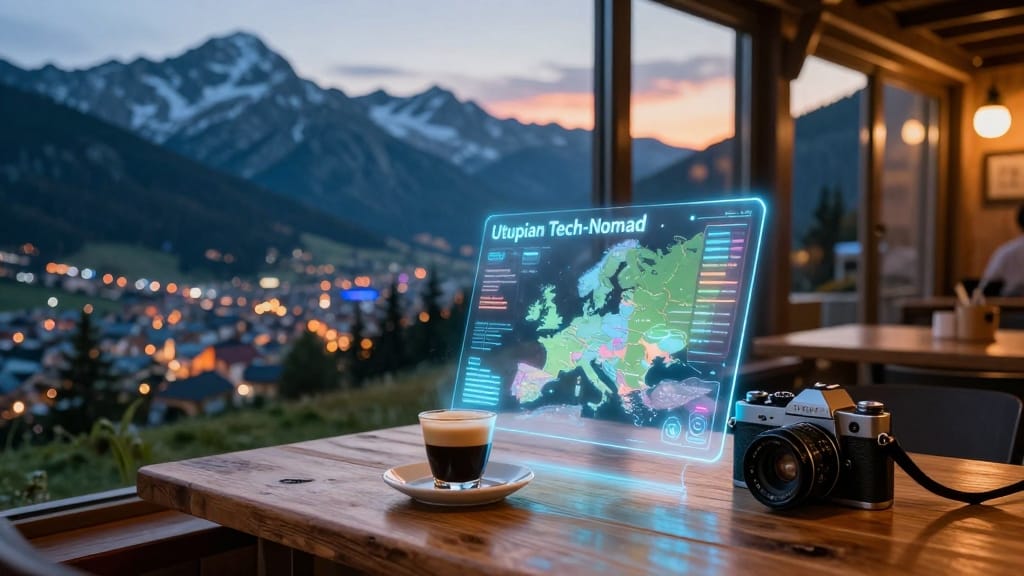
Hey everyone, Anya here! If you’re anything like me, your "To-Go" list on Google Maps is probably a chaotic mess of hidden hiking trails, overpriced coffee shops, and spots that just look 10/10 for a sunset photo. Living in Poland, I’m constantly jumping between the rugged beauty of the Tatra Mountains and the high-speed energy of European city life. But as we look toward 2026, things are changing—and fast. We aren't just traveling anymore; we’re navigating a world where AI plans our vibes, geopolitical shifts redefine our borders, and photography is moving back from the "cloud" to the physical world. It’s a lot to process, trust me. Whether you're a hardcore hiker, a foodie looking for the next viral taste, or a digital nomad trying to make sense of the EU’s future, staying ahead of the curve is basically a survival skill now. Being a 19-year-old in Europe right now feels like living in a massive transition period. We have the tech to go anywhere, but we’re also rediscovering the value of being exactly where we are. This isn't just a travel update; it's a field guide to staying sane and inspired in 2026.
The AI Revolution in Travel Planning and the Search for Value
Honestly, planning a trip used to be half the fun—scouring blogs, watching YouTube vlogs, and getting lost in Reddit threads. But now, it’s becoming an algorithmic masterpiece. We’re moving past the "Top 10 Things to Do" lists and into a world where your itinerary knows you better than you know yourself. According to CNN, AI and Large Language Models (LLMs) are completely reshaping how we discover destinations. It’s like having a personal assistant who doesn’t get annoyed when you ask for the fifth time if a place has good vegan pierogi or a stable Wi-Fi connection for a quick gaming session. This shift is crucial because it helps us find gems in the best places to visit in 2026, moving away from over-touristed traps and toward authentic experiences that don't feel like a simulation of a Pinterest board.
But there’s a deeper layer to this AI takeover. While the tech helps me find a secluded hiking trail in the Bieszczady mountains, it also raises questions about the "serendipity of travel." If every moment is optimized for my specific taste, am I ever going to stumble upon something weird, challenging, or unexpected? The expert perspective here is that while AI handles the logistics, the soul of the trip still depends on us. We're seeing a rise in "AI-Human Hybrid" itineraries where the tech handles the bookings and transit, but leaves "blank spaces" for human intuition. This matters because it saves us from decision fatigue—that brain-melting feeling when you have forty tabs open and still can't decide which hostel won't have bedbugs.
Let’s be real, though: even with the best AI, our bank accounts have limits. The "cost of living" meme isn't just a funny TikTok format; it’s our daily reality. That’s why we’re seeing a massive surge in budget-conscious hacks that prioritize value without sacrificing the vibe. As reported by Fox News, services like Costco Vacations are becoming a "hard to beat" value for many. Now, I know what you're thinking—Costco feels a bit "parents' weekend," and maybe the "one-size-fits-all" service isn't for every solo adventurer or Gen Z backpacker. But the data shows a shift: travelers are willing to compromise on "bespoke" luxury if it means they can actually afford to leave their zip code. The future implications are clear: 2026 will be the year of the "Value Nomad"—people who use high-end tech to find low-cost, high-impact adventures. It’s about being smart, not just rich.
Food Culture: From Global Trends to Social Responsibility
If you didn't take a photo of your food, did you even eat it? My camera roll is basically 40% mountains and 60% bowls of ramen, dumplings, and weirdly colored lattes. In 2025, we saw some wild stuff trending online—remember when everyone was obsessed with "butter boards"? Please, let’s leave that in the past. According to People, the top Google search terms for food and drink revealed a fascination with both comfort and viral "hack" culture. We want food that feels like a hug, but we want it to look like art. However, the internet is a fickle place. As Food & Wine notes, some food trend predictions end up being total fails. For every sourdough success, there's a "clear coffee" that nobody actually wanted to drink.
Looking ahead, The Mercury News identifies eight hot food trends you literally won't be able to avoid in 2026, emphasizing a shift toward sustainability and "functional" ingredients. We’re talking about mushrooms in everything—coffee, snacks, even supplements—and a massive move toward regenerative farming. It’s not just about what tastes good; it’s about what doesn't kill the planet. As someone who cares about the environment (because, hi, I'd like to still have snow for snowboarding in 2040), this trend feels personal. We are seeing the death of "performative" eating. People want to know where their food comes from, especially as global supply chains feel more fragile than ever.
The culinary world is also becoming more globalized yet deeply personal. As Bloomberg highlights, the best dishes of the year spanned from New York to London to Taipei. This proves that our palates are more adventurous than ever, but it also creates a weird tension. While we're chasing the "13 best dishes" in world-class cities, there's a serious side to lifestyle trends that we can't ignore. The Associated Press reports on the complexities of food assistance programs and snap waivers, reminding us that food security remains a critical issue. It’s a massive reality check that balances out the "soft life" aesthetic we see on Instagram. In 2026, the real "trend" will be food justice—ensuring that while we enjoy our fusion tacos, our neighbors aren't struggling to afford basic groceries. Food is political, and in 2026, we’re finally starting to act like it.
The Photographer's Lens: Capturing Life Above and Below the Clouds
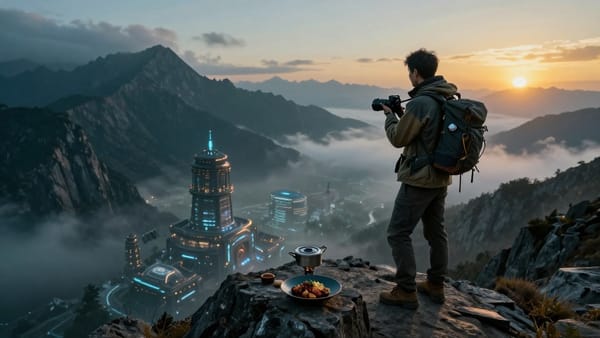
As someone who spends way too much money on lens glass and film rolls, I’m obsessed with how we’re documenting our world. We aren't just taking selfies anymore; we’re pushing the limits of what’s possible with the technology in our pockets and the mirrors in our hands. Take Ralf Rohner, for example. As featured on Digital Camera World, his mesmerizing images of the aurora captured from a cockpit are next-level. It’s that kind of "above the clouds" perspective that keeps photography exciting. It reminds me of why I love hiking—the view from the top makes all the heavy gear and the sweat worth it. It’s about seeing the world from an angle that shouldn't be possible.
But here’s the plot twist: despite all the digital power we have, we're seeing a massive return to the physical. After years of digital hoarding—where photos just go to die in a cloud storage folder you’ll never open—Photography Life emphasizes that printing your photos is the ultimate way to truly "own" your memories. I’ve started doing this lately, taping 4x6 prints of my snowboarding trips to my walls, and honestly, the vibe is so much better. It makes the memory feel permanent in a world that feels increasingly temporary. Photography in 2026 isn't just about the "likes"; it's about the legacy. We’re moving toward a "Slow Photography" movement, where we take fewer shots but make them count. This matters because it fights the "doomscrolling" fatigue. A printed photo requires you to stop and look, rather than just swipe and forget.
Photography is also our most powerful tool for storytelling and conservation. From the adrenaline-pumping best sports photos of 2025 featured in The Guardian, which capture the raw emotion of defeat and victory, to the intimate wildlife portraits of Donal Boyd, these images force us to look closer at the world we’re trying to save. Even local stories matter; the St. Catharines Standard’s "Photography Hawk" series shows that you don't need to fly across the world to find something worth capturing. This is a huge takeaway for me: your backyard can be as cinematic as the Swiss Alps if you have the right eye. In 2026, the "pro" isn't the one with the most expensive camera; it's the one who sees the story in the mundane.
Europe at a Crossroads: Security, Space, and Identity
Living in Poland, the geopolitical climate isn't just something I read in the news—it’s something we feel in the air. We’re in a critical moment for the "European project," and the stakes couldn't be higher. According to Reuters, leaders like Germany's Friedrich Merz are calling for Europe to assert itself to safeguard peace and prosperity. This isn't just politician-speak; it's a survival strategy. As Bloomberg reports on European leaders discussing the toughening stance of Russia and the ongoing war in Ukraine, the reality of our geography hits home. For those of us in Eastern Europe, the "EU vibe" is about more than just easy travel—it’s about security and shared values.
As a Pole, I can’t stress enough how vital it is that we stand with Zelenskyy’s peace plan, as detailed by Politico. Our future is tied to the success and sovereignty of our neighbors. It’s hard to focus on travel and photography when there’s a war on your doorstep, but that’s exactly why unity matters. We're seeing a "New European Identity" emerge among my generation—one that is fiercely pro-Ukraine and pro-democracy. This political awakening is going to define the elections that will shape Europe in 2026, as noted by Euronews. Young voters are looking for leaders who don't just talk about "stability" but actually have a vision for a bold, independent Europe that doesn't just rely on outside powers for its safety.
Despite the heavy challenges on the ground, Europe is also looking up—literally. Breaking Defense predicts that 2026 will be Europe’s "time to shine" in space, which is honestly so hype. It's about tech sovereignty and showing the world we still have that explorer's spirit. Whether it's the Ariane 6 rocket or new satellite constellations, Europe is proving it can compete on the final frontier. However, this macro-level ambition is balanced by the weird, localized realities of daily life. We’ve seen some oddly specific local news lately, like reports on stolen high-value bicycles or local legal dramas. It’s a reminder that even as we aim for the stars or fight for the future of the continent, the small stuff—like our bikes or our local courts—still matters. The future of Europe is being written in Brussels and space stations, but also in the streets of Warsaw or the quiet towns of the Niagara region.
Conclusion: The Future is Analog and Digital
So, what does this all mean for us as we head into 2026? Whether you're snowboarding down a mountain in Zakopane, gaming in a neon-lit cafe in Berlin, or just trying to figure out how to pay your rent, the future is about finding a weird, beautiful balance. We are the generation that uses AI to find the weirdest, coolest spots, only to put the phone down once we get there to actually experience them. We are watching Europe stand at a crossroads, realizing that our unity is our only real superpower. We’re moving toward a world where the most "premium" experiences aren't the ones that cost the most, but the ones that feel the most real—the printed photo, the sustainable meal, the safe border.
The transition to 2026 is going to be bumpy, sure, but it’s also full of potential. We have better tools than ever to document our lives and advocate for the world we want to live in. As a 19-year-old Polish woman, I see a continent that is resilient, creative, and ready to assert itself. The future isn't just something that's happening to us while we watch through a screen; it's something we're capturing and creating one frame at a time. So, stay curious, stay spicy, and maybe—just maybe—print out a photo for once. Don't let your best memories just be a string of bits in a data center. Own them. Live them. The future is waiting, and honestly? It looks like it’s going to be a wild ride. Your future self will thank you for being present for it. Stay safe out there, hikers and dreamers!