2026 Travel and Lifestyle Trends: From California’s Hidden Coasts to Europe’s Burgeoning Hubs

Cześć! If you’re anything like me, your browser tabs are probably a chaotic mess of flight trackers, gear reviews, and maps of places most people can’t pronounce. I’m Anya, and as someone who lives for that perfect shot of a sun-drenched coastal trail or the thrill of catching an edge on a fresh snowboarding run, I’ve been obsessively tracking where the world is headed in 2026. We are living through a fascinating, albeit slightly chaotic, shift in how we move. Gone are the days when a simple "Top 10" list sufficed. Now, we’re balancing a deep craving for "lived-in" authenticity with the reality of a world that’s getting more expensive and, let’s be honest, a bit weirder weather-wise. Whether you’re dreaming of the rugged cliffs of my native Europe or the tech-meets-nature vibe of the American West, the travel landscape is evolving into something much more intentional—and I am here for it.
I’ve spent the last few weeks digging through trend reports, and it’s clear that "adventure" has been totally redefined. It’s no longer just about the pin on the map; it’s about the ethics of our pierogi (or lack thereof), the speed at which we can share a memory before the game even ends, and how we navigate a geopolitical climate that’s constantly shifting. From the 300 million euro ferries boosting Polish maritime pride to the rise of "GLP-1 friendly" grocery aisles, the vibes for 2026 are all about resilience and finding beauty in the unexpected. This isn't just a list of destinations; it's a manifesto for how we’re going to live and explore in the coming year. So, grab a coffee, check your camera battery, and let’s dive into the deep end of 2026 lifestyle and travel.
California Dreamin': New Frontiers and the 2026 High-Tech Escape
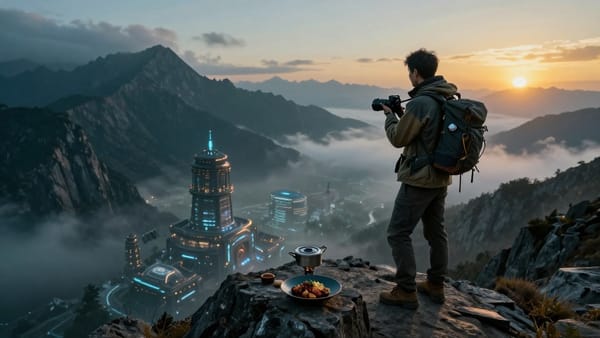
California is having a massive resurgence, but if you think it’s just about influencer-heavy spots in Malibu, you’re missing the real story. There is a palpable shift toward "unplugged" luxury and the reclamation of nature. One of the most exciting developments is that a huge stretch of the Sonoma Coast has finally opened to the public after being locked away for a century. As reported by Travel + Leisure, the Estero Americano Preserve is a game-changer. For a photographer like me, this is like finding a rare piece of loot in a video game—unspoiled, rugged, and completely devoid of the over-commercialized fatigue that hits places like Venice or Santorini. We’re talking about miles of coastline that literally haven’t been seen by the general public in generations. It’s a win for conservation and a massive opportunity for slow-travel enthusiasts who want to hike in peace.
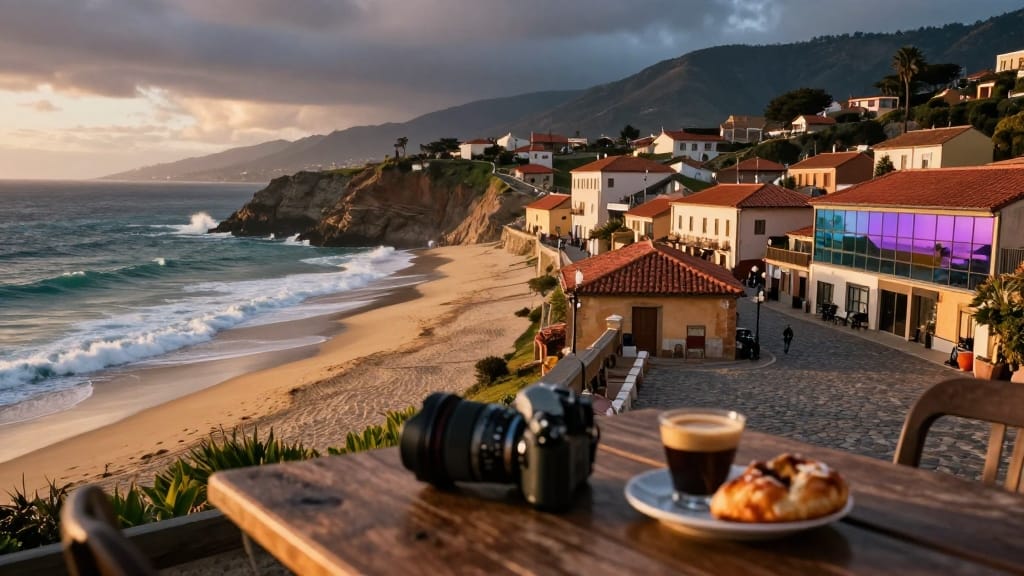
Further south, the vibe shifts from rugged isolation to polished beach culture. According to Travel Off Path, San Diego and its surrounding coastal gems are the "it" spots for early 2026. Specifically, Carlsbad is being highlighted as a global destination to watch. Why? Because it offers that perfect middle ground—it’s upscale but still retains its surf-town soul, making it a "dupe" for much more expensive European rivieras. This trend of finding "accessible luxury" is huge right now, especially as we see places like Santa Clara emerging as premier destinations. As noted by Luxury Lifestyle Magazine, Santa Clara is no longer just a tech hub; it’s becoming a lifestyle destination where Silicon Valley wealth meets high-end hospitality. It reflects a broader 2026 trend: travelers want hyper-efficiency (good Wi-Fi, easy logistics) but they want it wrapped in a package of scenic beauty and local flavor.
What’s really driving this California gold rush isn’t just the beach; it’s the way the state is managing its land. When experts like Stacey Leasca write about these openings, they’re tapping into a collective desire to see the world as it was. For me, coming from a European perspective where every square inch of land feels curated and historical, the raw, massive scale of the Sonoma openings feels almost alien—and incredibly inviting. It suggests that the future of travel isn't about building more; it's about opening what we already have. This is a critical pivot as we see more travelers ditching traditional resorts for "rewilding" experiences where the goal is to leave a minimal footprint while capturing maximum visual impact.
Poland: The Rising Star of the Baltic and a Geopolitical Anchor
Okay, time for a little Polish pride! Being Polish, I’ve watched our country transform from a "budget alternative" into a legitimate regional powerhouse. In 2026, we aren't just a stop on a train route; we are the destination. One of the biggest symbols of this is the launch of the Jantar ferry. Prime Minister Donald Tusk recently celebrated this 300 million euro vessel, which TVP World reports is a massive achievement for our maritime sovereignty. This isn't just about moving people from Gdynia to Sweden; it’s about "Polish power in the Baltic." For travelers, this means a level of transit luxury and efficiency that rivals the best in Scandinavia. It’s also a big deal for the EU economy, cementing Poland as a logistics hub that connects Western Europe to the Nordic states.
Our sports scene is equally hyped right now. We just saw Polish skaters crush it, bringing home two medals at the European championships. As someone who spends my winters chasing powder on a snowboard, seeing my country dominate on ice and snow is the ultimate energy boost. It’s creating a new kind of "sports tourism" where people are heading to Polish mountains and arenas instead of the overpriced Alps. But let’s keep it real: being a major player comes with heavy responsibilities. Poland is a frontline EU state, and that means we face challenges that aren't just "memes." Recently, Notes from Poland reported on a serious warning from the Ukrainian ambassador, urging his fellow citizens in Poland not to fall for Russian sabotage recruitment. It’s a sobering reminder that our peace and adventure are underpinned by a need for strong EU defense and vigilance. We are a sanctuary for those seeking freedom, as seen with democratic leaders like Sviatlana Tsikhanouskaya relocating to Poland for security. It makes the "lifestyle" here feel more meaningful because it’s a lifestyle built on shared European values and a very real sense of community.
Looking at the economic side, the data shows we're holding steady. While much of Europe is feeling a bit of a squeeze, Meyka reports that the Polish labor market is stabilizing. Logistics is leading the way, which basically means if you buy something online in Europe, there’s a good chance it’s moving through a Polish warehouse. For travelers, this labor stability translates to better service and a country that feels vibrant and "on the move." Whether I’m shooting street photography in Kraków or checking out the futuristic skyline of Warsaw, there’s an energy here that’s hard to find anywhere else right now. We’re in that "sweet spot" where the old-world charm hasn't been completely erased by modernization, but the modernization is good enough to make life easy.
The Hidden Europe and the Chaos of Modern Transit
We’ve all seen the TikToks of people crying at the crowds in Rome or the "expectation vs. reality" memes of the Eiffel Tower. It’s honestly exhausting. That’s why 2026 is officially the "Year of the Dupe." People are looking for the European experience without the "Disney-fied" queues. According to the Daily Mail, savvy travelers and influencers are identifying "most overlooked" spots where you can snag a flight for as little as £43. This isn't just being cheap; it’s being smart. Why fight for a square inch of sand in Ibiza when there are coastal towns in the Balkans or the Baltics that offer better views and more authentic food for a fraction of the price? This shift toward "hidden gems" is changing how airlines plan their routes, with more focus on secondary airports and regional hubs.
However, the glam of low-cost carriers is often balanced by the reality of a planet that’s getting a bit cranky. Travel in 2026 demands a lot of resilience. Just look at the recent "messy" travel conditions reported by ABC7 New York. Snow and ice grounded thousands of flights across the Tri-State area, proving that no amount of tech can stop Mother Nature when she decides to dump a foot of snow on JFK. As a traveler, this means your "check-list" needs to include more than just a passport—you need backup plans, travel insurance that actually works, and a good sense of humor. I always say, if you can’t laugh at being stuck in an airport for 12 hours with nothing but a overpriced sandwich and a dead phone, you’re going to have a hard time in 2026.
This chaos is actually driving a new trend: "Slow-Transit." People are opting for trains and ferries (like our new Polish Jantar!) rather than relying solely on the fickle nature of short-haul flights. There’s something so much more cinematic about watching the landscape change through a train window anyway—it’s a better vibe for photography and way better for the planet. The future of European travel is a mix of high-speed rail and "off-the-map" exploration. It’s about the journey being just as interesting as the destination, which is a very Gen Z and Millennial way of looking at the world. We don't want the sterilized, pre-packaged tour; we want the delay at the small-town station that leads to the best local bakery you’ve ever found.
Conscious Consumption: The Battle Over What We Eat
If you know me, you know I’m 90% pierogi and coffee, but even I’m starting to get worried about what’s in our food. There’s a massive global conversation happening right now about ultra-processed foods (UPFs). In the UK, The Telegraph reports that a staggering 56% of the average diet consists of UPFs. It’s not just about "eating clean" anymore; it’s a public health crisis. Experts are sounding the alarm on how these foods impact our organs, skin, and even our mental health. But trying to avoid them? That’s a whole different battle. The Guardian ran a fascinating piece by Emma Joyce about her attempt to go UPF-free for a week, and it was a struggle. It shows how our entire food system is rigged toward convenience over health.
The industry is reacting in some pretty weird ways. According to The Blade, we’re seeing a rise in "GLP-1 Friendly" labeling. With more people using weight-loss drugs like Ozempic, food companies are pivoting to create products specifically for that demographic. It’s the new "organic" or "gluten-free" tag. While it might help some, it’s also a sign of how corporate our diet has become. On the flip side of the world, others don't have the luxury of choosing between processed or "friendly" foods. In Indonesia, unseasonal weather is making basic staples like chili and onions unaffordable. As reported by The Cool Down, climate change is directly hitting the dinner table, causing food prices to skyrocket. It’s a stark reminder that while we’re debating labels in the West, parts of the Global South are struggling with the basics.
When everything feels a bit too heavy, I lean into comfort. Lately, I’ve been obsessed with the bake recipes from Southern Living—they’ve been sharing these comfort food bakes that are basically a warm hug in a casserole dish. In a world of rising prices and complex health warnings, sometimes you just need something warm and cheesy. This "comfort movement" is a huge part of the 2026 lifestyle. We’re seeing a return to home cooking and communal eating as a way to cope with the stresses of the world. It’s about finding balance: being aware of the UPF dangers, but also allowing yourself that slice of homemade cake when the winter blues hit. For me, it’s about making sure I know where my ingredients come from, supporting local farmers when I travel, and always, always having room for a good, traditional meal.
Pro Photography: Capturing Soul in a High-Speed World
Let’s talk shop. As a photography nerd, I am obsessed with how the "visual language" of 2026 is evolving. We’re moving away from the "perfectly polished" look of the late 2010s. The vibe now is "lived-in" realism. Fstoppers recently broke down how the best photographers are ditching the sterile setups for shots that feel human and messy. It’s about the hair being slightly out of place, the "unplanned" shadow, or the genuine laugh that happens between poses. This "quiet work" is what separates the average from the great. In an age where AI can generate a "perfect" image, we are collectively craving the flaws that prove a human was behind the lens.
The tech is also pushing the boundaries of what’s possible. Did you see what Miles Myerscough-Harris did? He managed to shoot, develop, and publish film photos of an NFL game before the game even ended. That is such an incredible flex! It combines the soul of analog photography with the "right now" speed of social media. It’s like the ultimate middle finger to those who say film is too slow for the modern world. At the same time, we’re seeing the absolute pinnacle of action photography through the World Sports Photography Awards. These images remind us that photography is about timing and patience—something that’s often lost in our "scroll-fast" culture.
And then there’s nature. Nature photography in 2026 is becoming a form of activism. Whether it’s that heart-wrenching (and viral) photo of a polar bear napping on a fragment of an iceberg by Nima Sarikhani shared by Digg, or the stunning sunset rabbit shot that won the Essex Wildlife Trust contest, these photos do more than just look pretty. They tell the story of a world that is beautiful but fragile. For me, catching that one "perfect" shot on a hike isn't just about the likes; it's about documenting a moment that might never happen again. As Stacey Leasca and other top travel writers have pointed out, the places we visit are changing. Photography is our way of holding onto them. Whether you're using a high-end mirrorless or just your phone, the goal for 2026 is the same: find the truth in the frame.
Conclusion: Navigating the New Normal
So, what does all of this leave us with? The 2026 travel and lifestyle scene is clearly a bit of a contradiction. We’ve got high-speed ferries and instant-film sports photography, but we’re also desperately seeking slow coastal preserves and trying to figure out how to eat food that hasn't been processed into oblivion. But honestly, I think that’s where the magic is. We’re learning that "luxury" isn't always about the price tag—it’s about access to nature, the reliability of our infrastructure, and the health of our bodies. Whether it's Poland asserting its power in the Baltic or California opening up its secret coasts, the world is giving us plenty of reasons to stay curious.
Personally, I’m planning to spend 2026 being more intentional. I want to take the "slow" ferry, shoot the "messy" photo, and maybe finally perfect my own pierogi recipe so I can avoid those ultra-processed labels. We’re moving into a year that demands resilience and a sense of adventure, but if we keep our cameras ready and our passports handy, there’s no telling what kind of stories we’ll bring home. Travel isn't just a luxury anymore; it’s a way to understand a world that’s changing faster than we are. So, go find your "hidden coast," support some local European businesses, and don't forget to look up from your screen once in a while. The real world is still way more interesting than the meme. See you out there!